

792 Gladstone
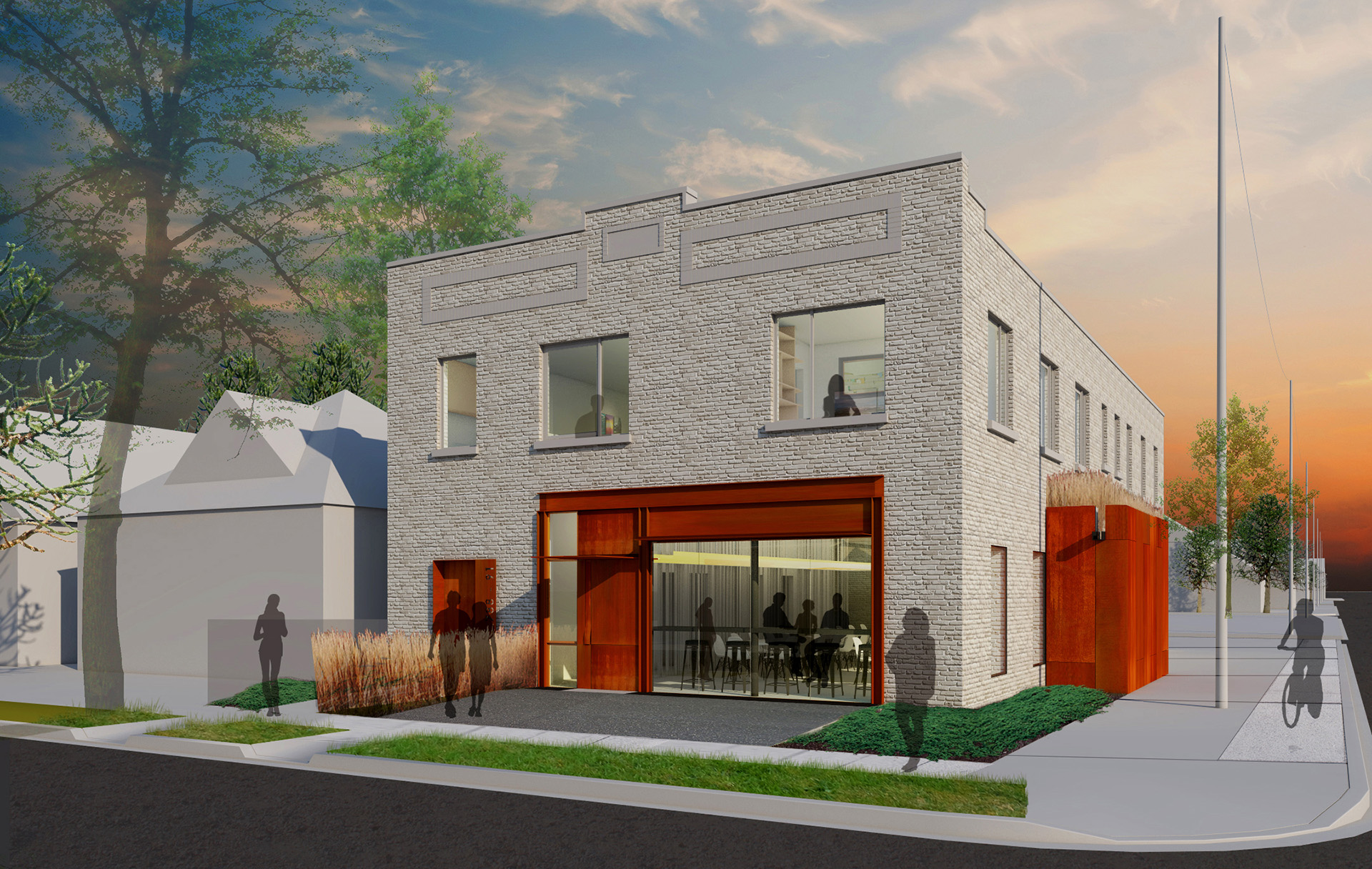
Located at the corner of Gladstone and Cataraqui in a residential neighbourhood, this building has long stood as one of the area’s few remaining neighbourhood taverns. Originally known as Hotel Verdi, the structure had fallen into significant disrepair—serving for a time as a rooming house before being left to squatters. Despite its deteriorated condition, the building retained deep community roots, having housed Jimmy’s Back Street Tavern and, later, The Gladstone Grill. The new owner was determined to restore the building and preserve its role within the community.
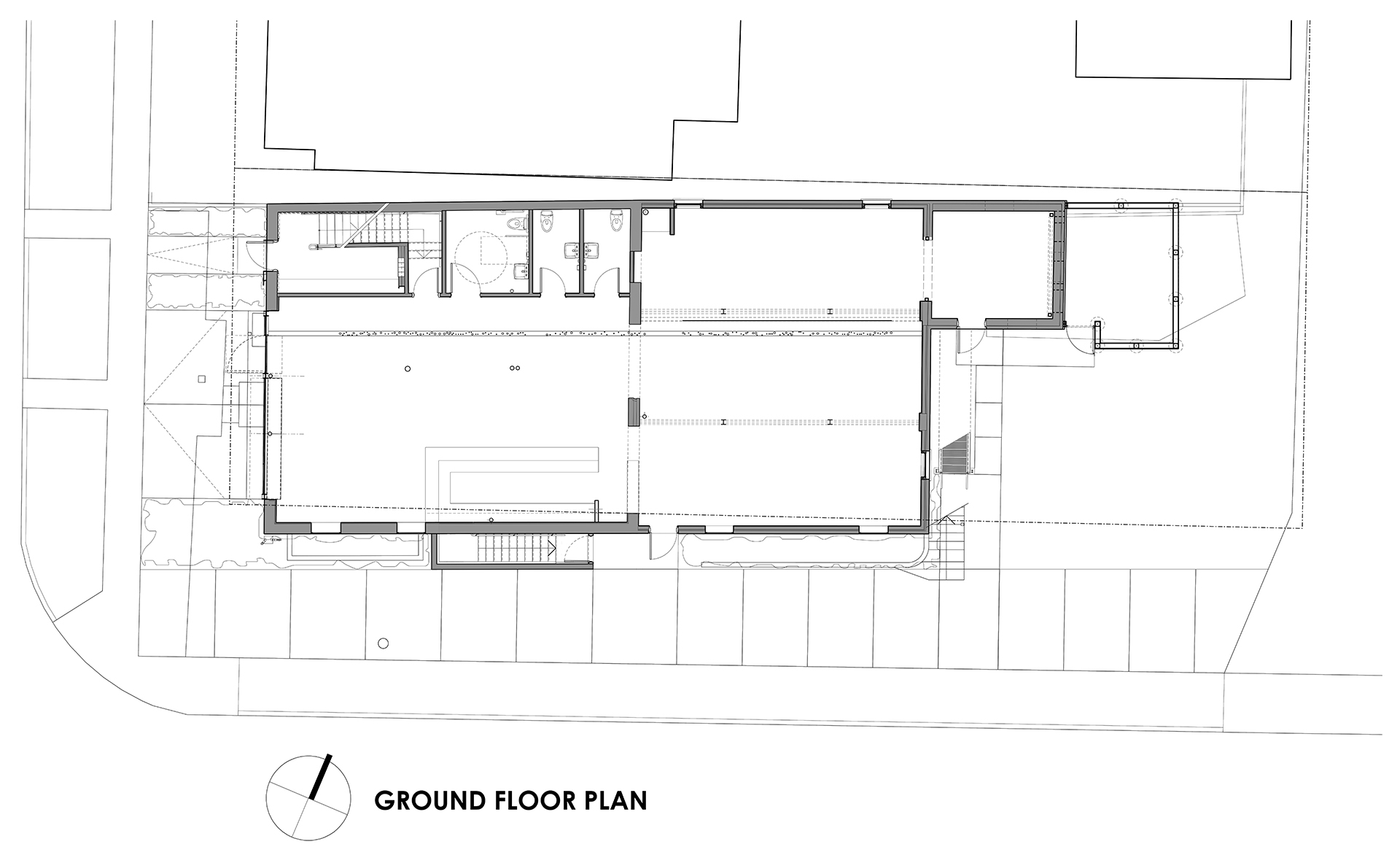
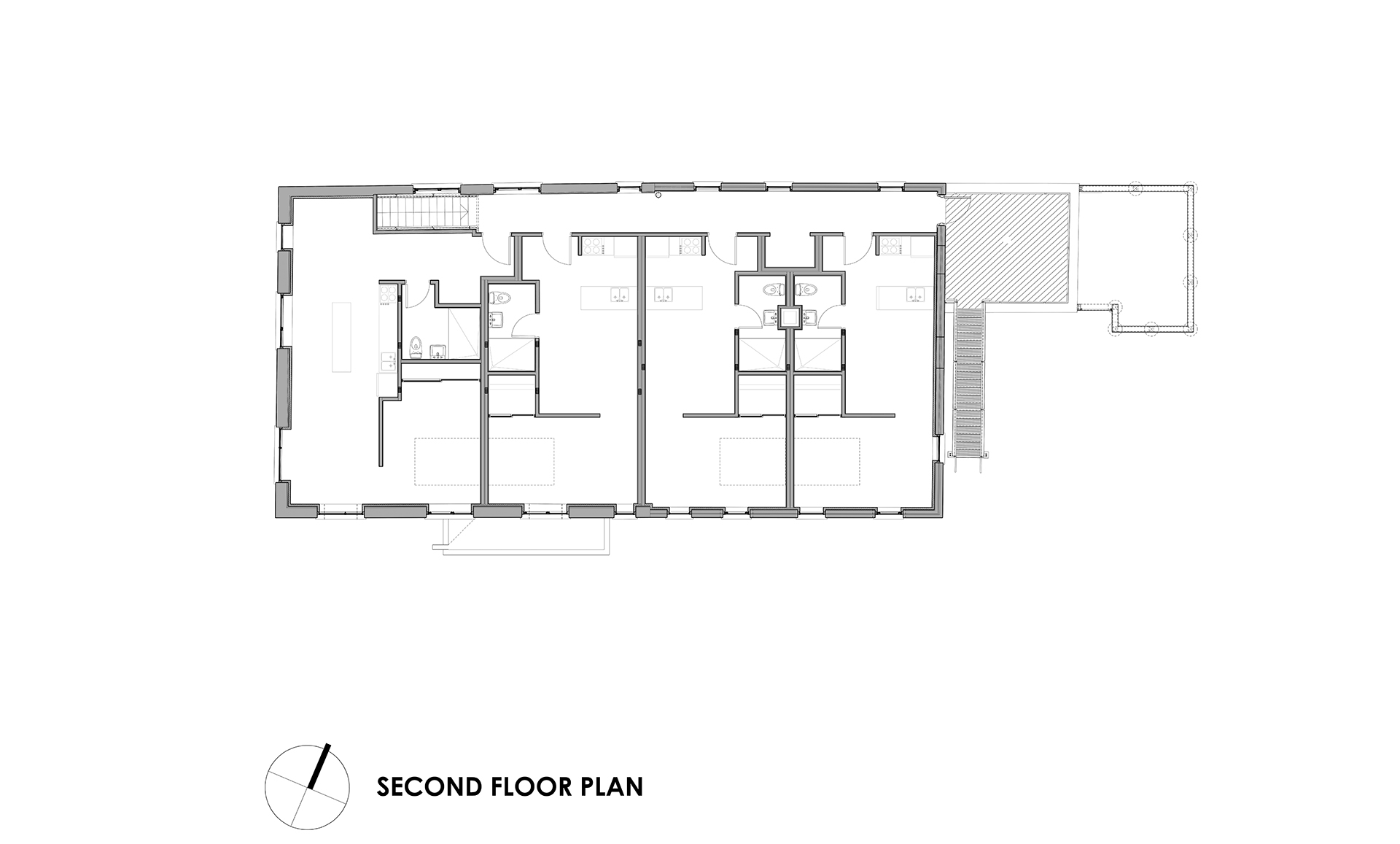
Studio g+G was engaged to help realize this vision: to rehabilitate the building as a restaurant on the ground floor with residential units above. Working within a highly constrained budget, we developed a phased strategy for full restoration while carefully adhering to the “Standards and Guidelines for the Conservation of Historic Places in Canada.”
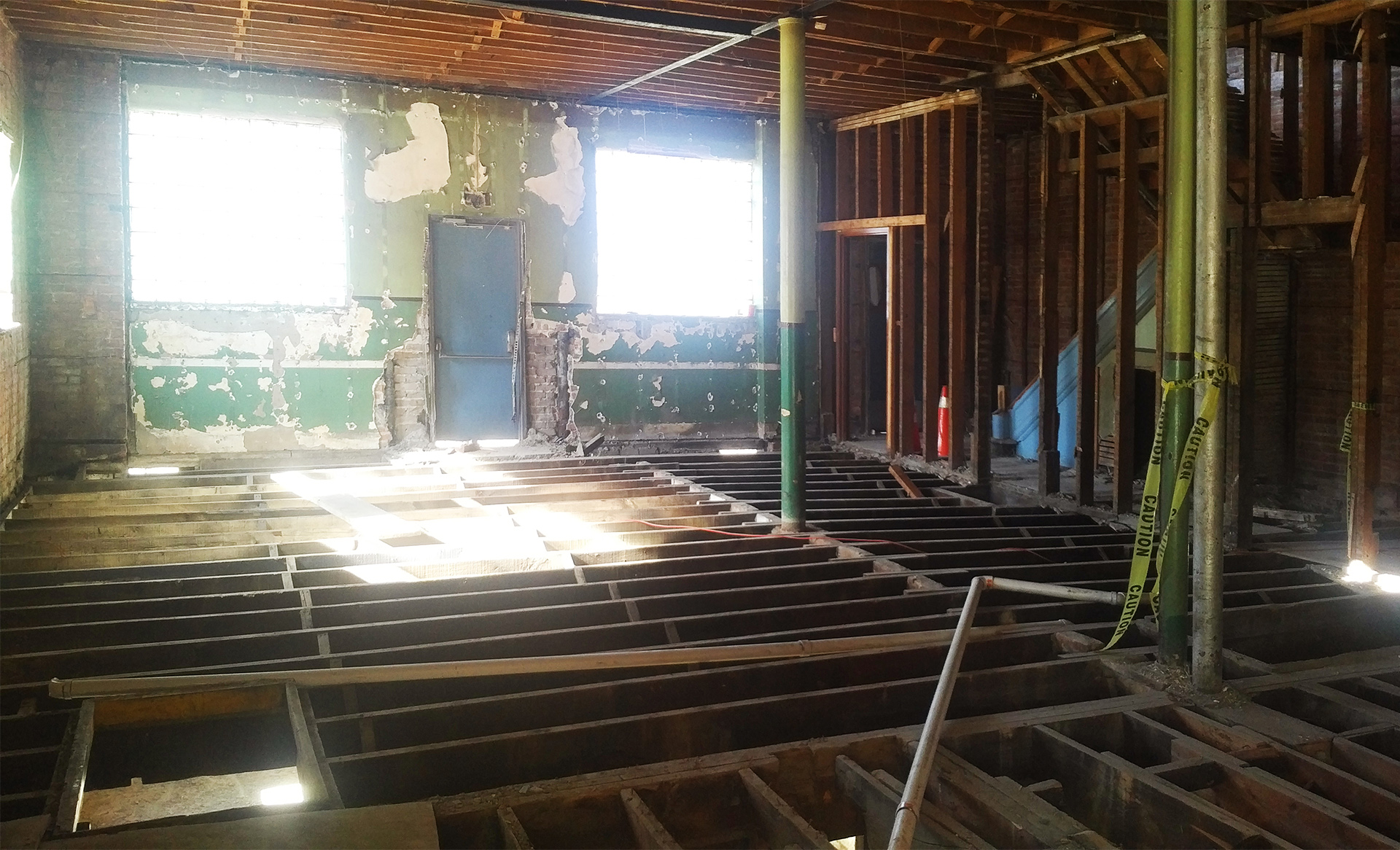
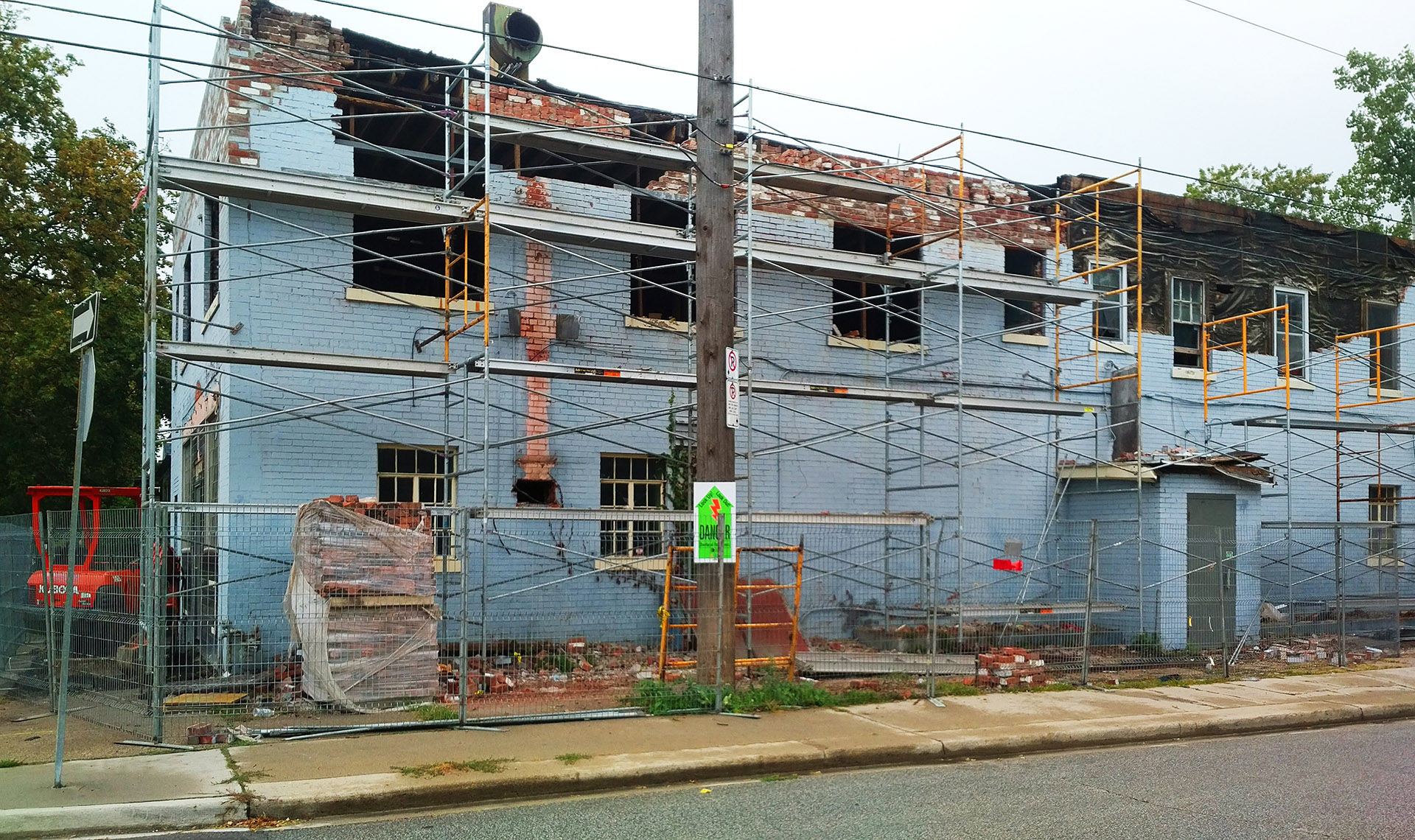
The project began with archival documentation in line with HABS documentation standards, alongside a comprehensive condition assessment to better understand the building’s layered history. Original cast and wrought iron framing suggested a construction date prior to the 20th century, while façade modifications—featuring 1930s-era clinker block behind plaster—pointed to significant mid-century interventions. Years of roof neglect and ad hoc renovations had caused extensive damage to the second-floor framing and roof structure.
A phased rehabilitation plan was developed in close collaboration with the client, enabling gradual replacement and reinforcement of the upper structure in line with financial constraints.
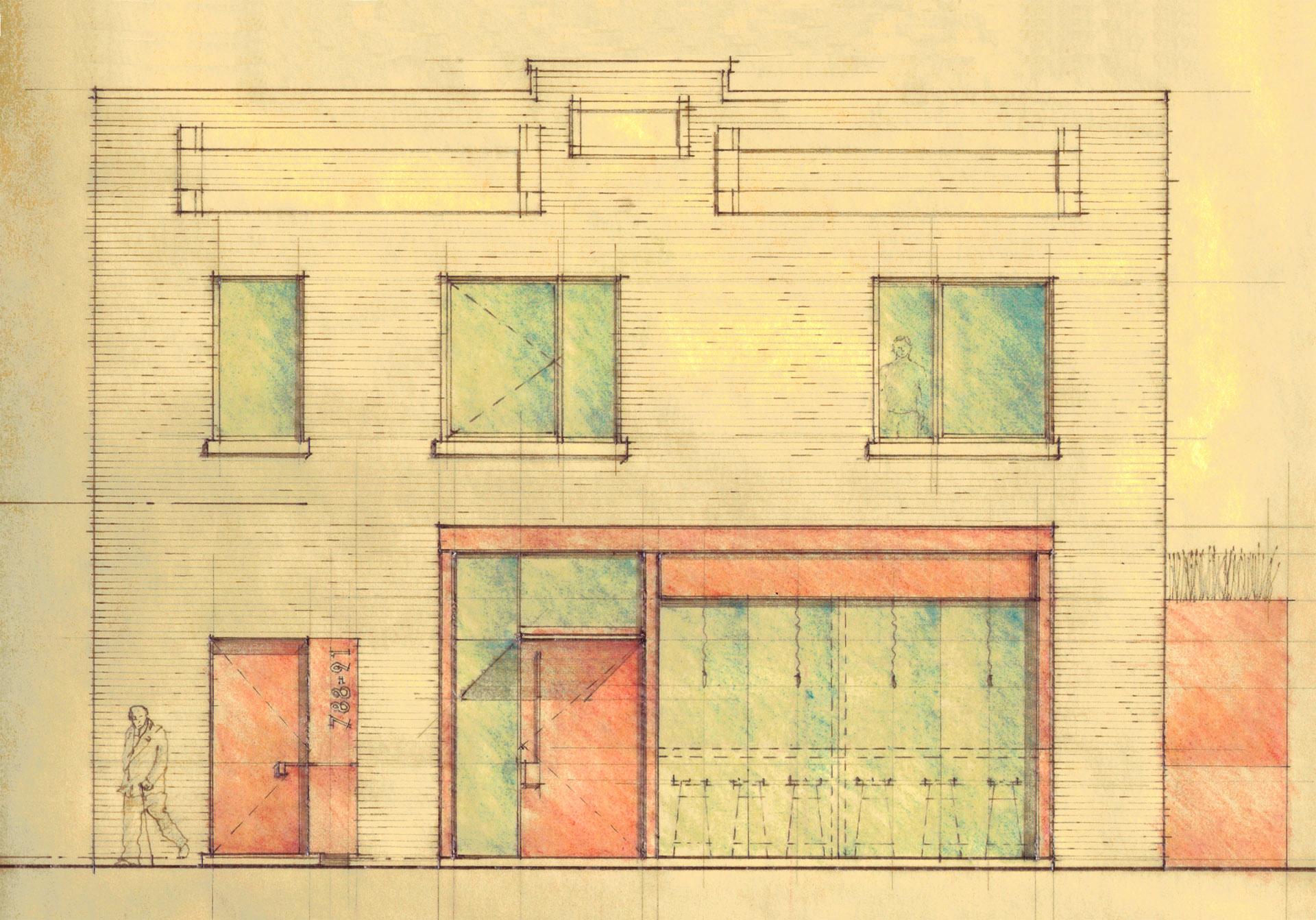
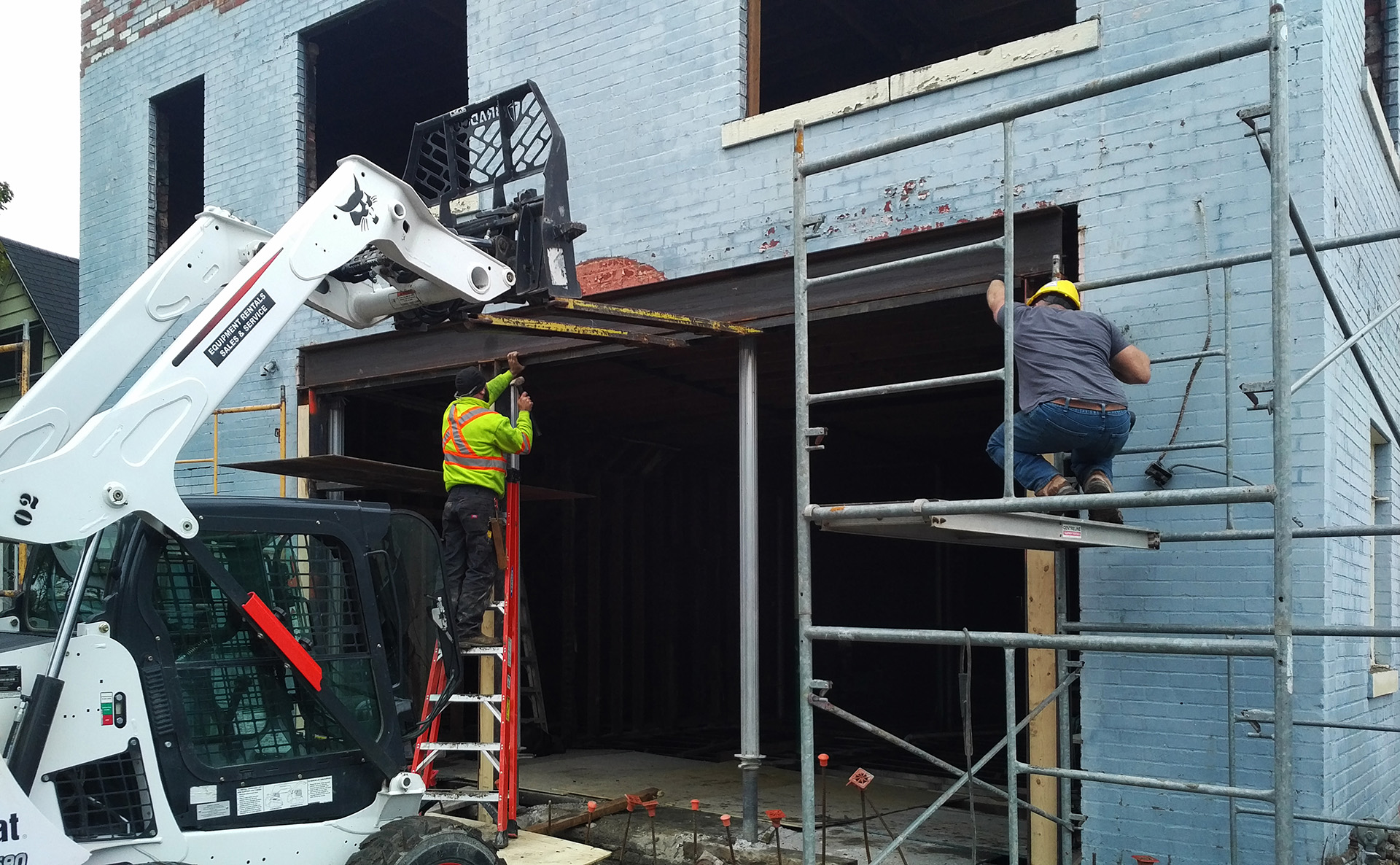
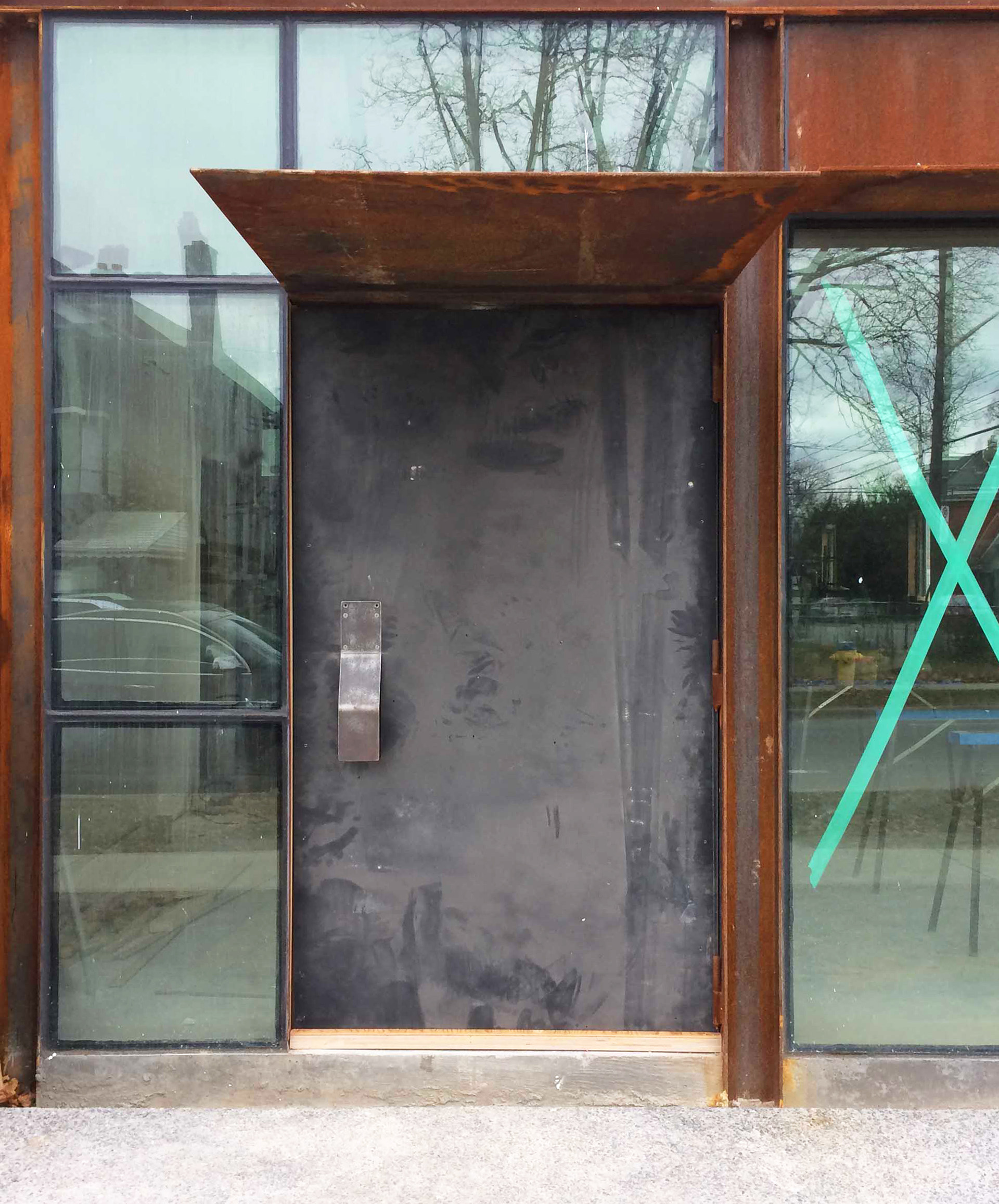
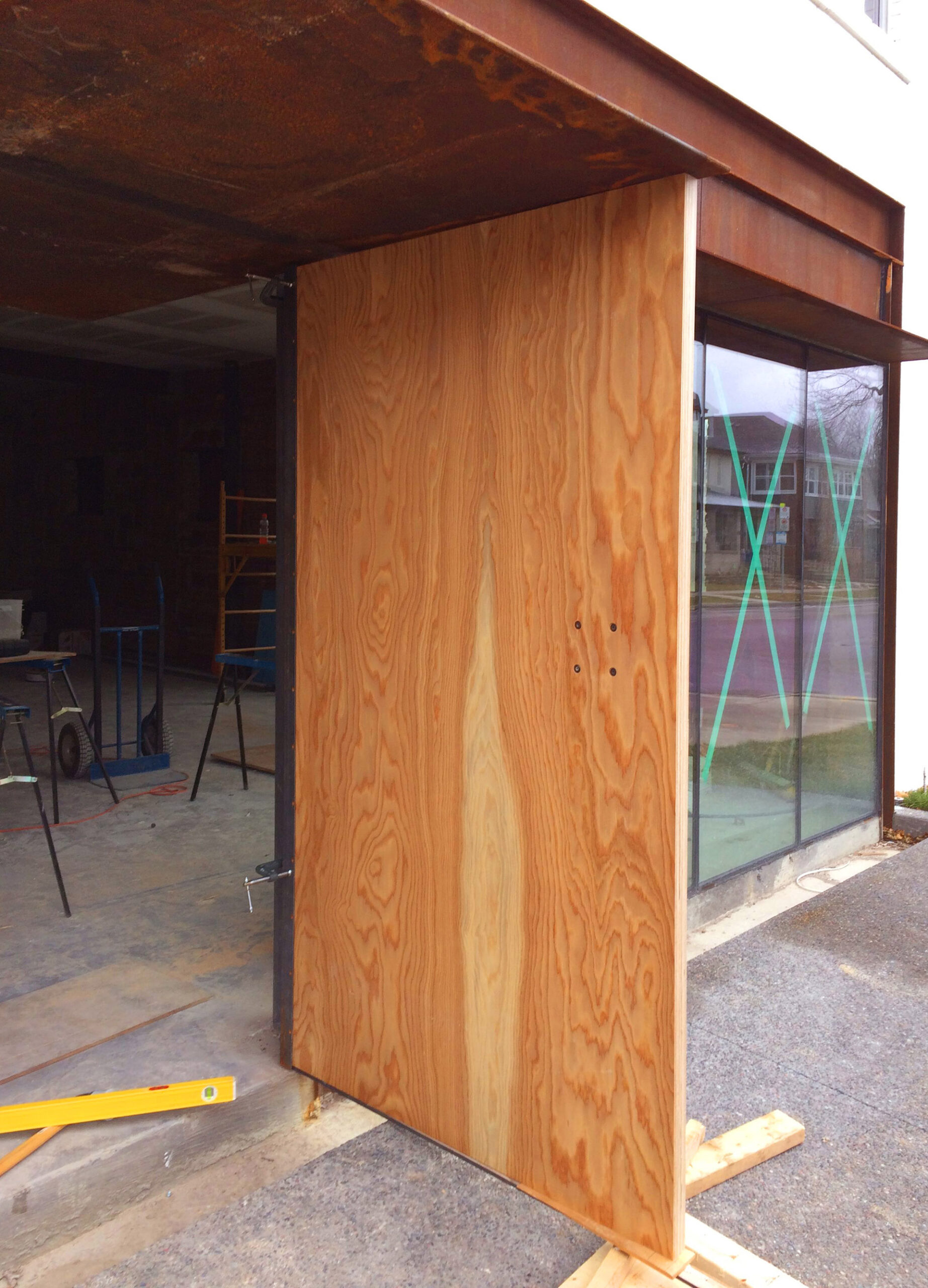
The architectural response embraced an honest dialogue between old and new. A new structural façade was required to complete the stabilization and facilitate the building’s change of use. Contemporary interventions—realized in corten steel and glass—were juxtaposed against the heavily whitewashed, restored mass-wall brickwork. To reduce costs while respecting the building’s historic fabric, a custom lime mortar mix was developed and blended on site, tailored to the material properties of the existing multi-wythe masonry walls.
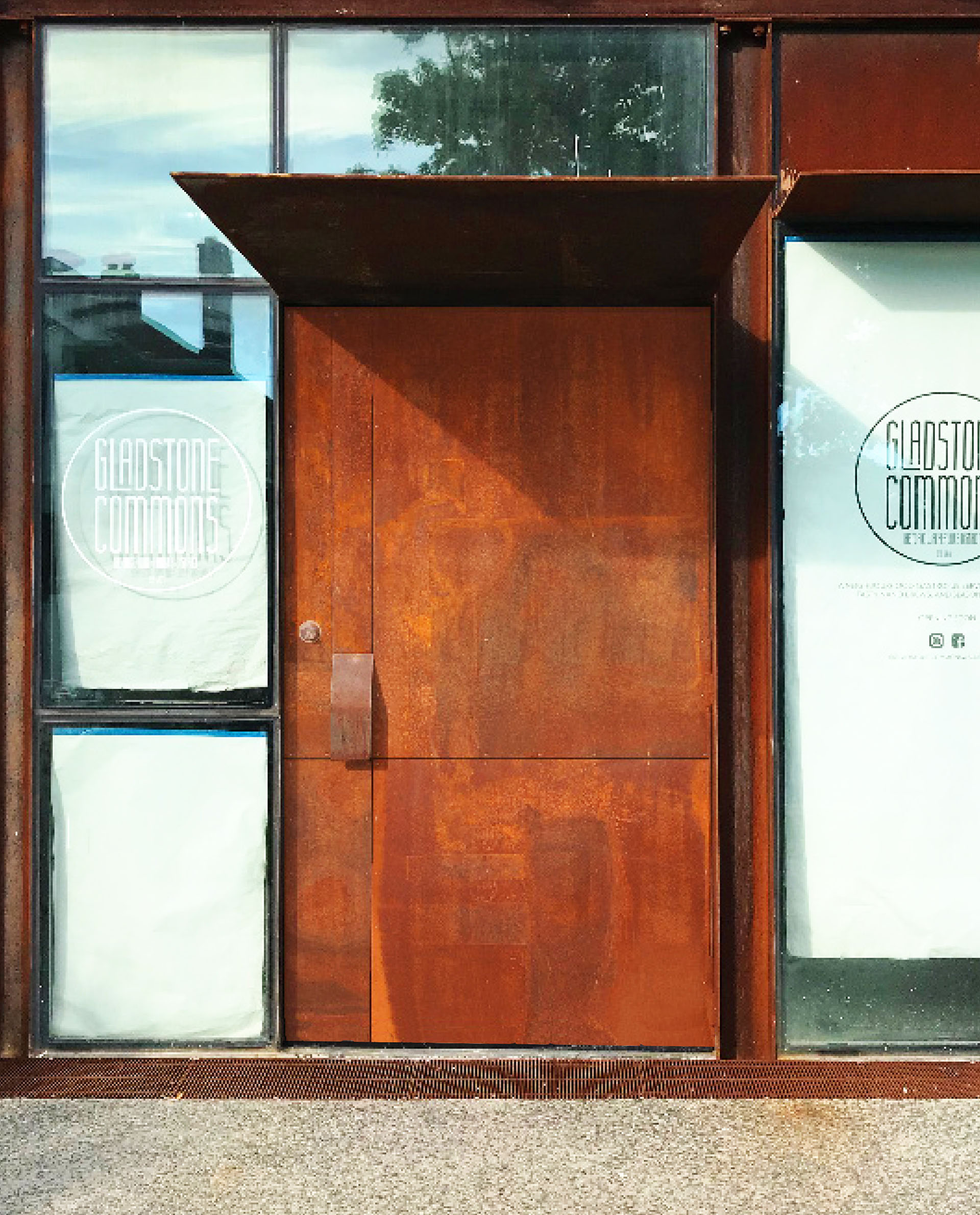
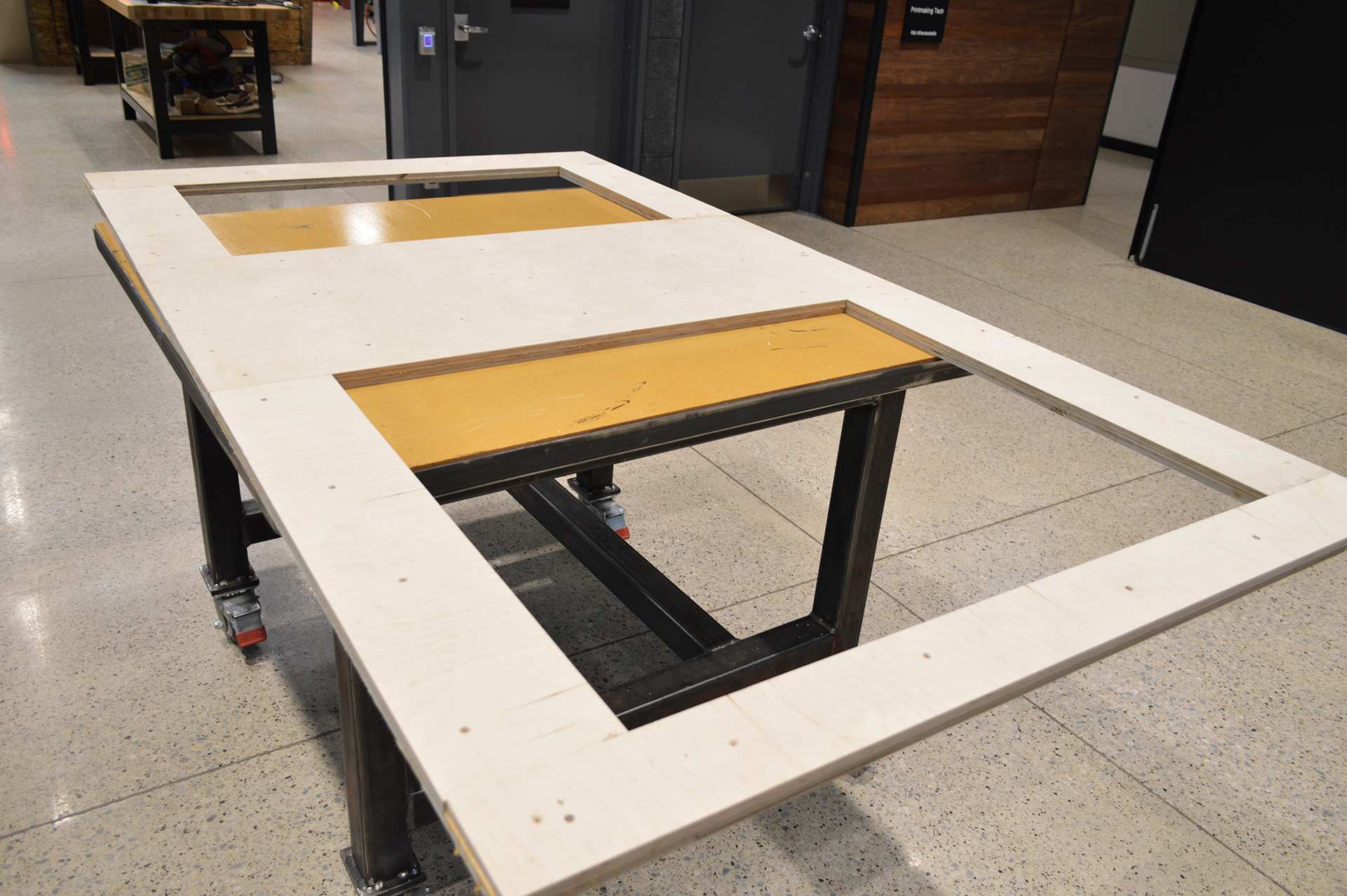
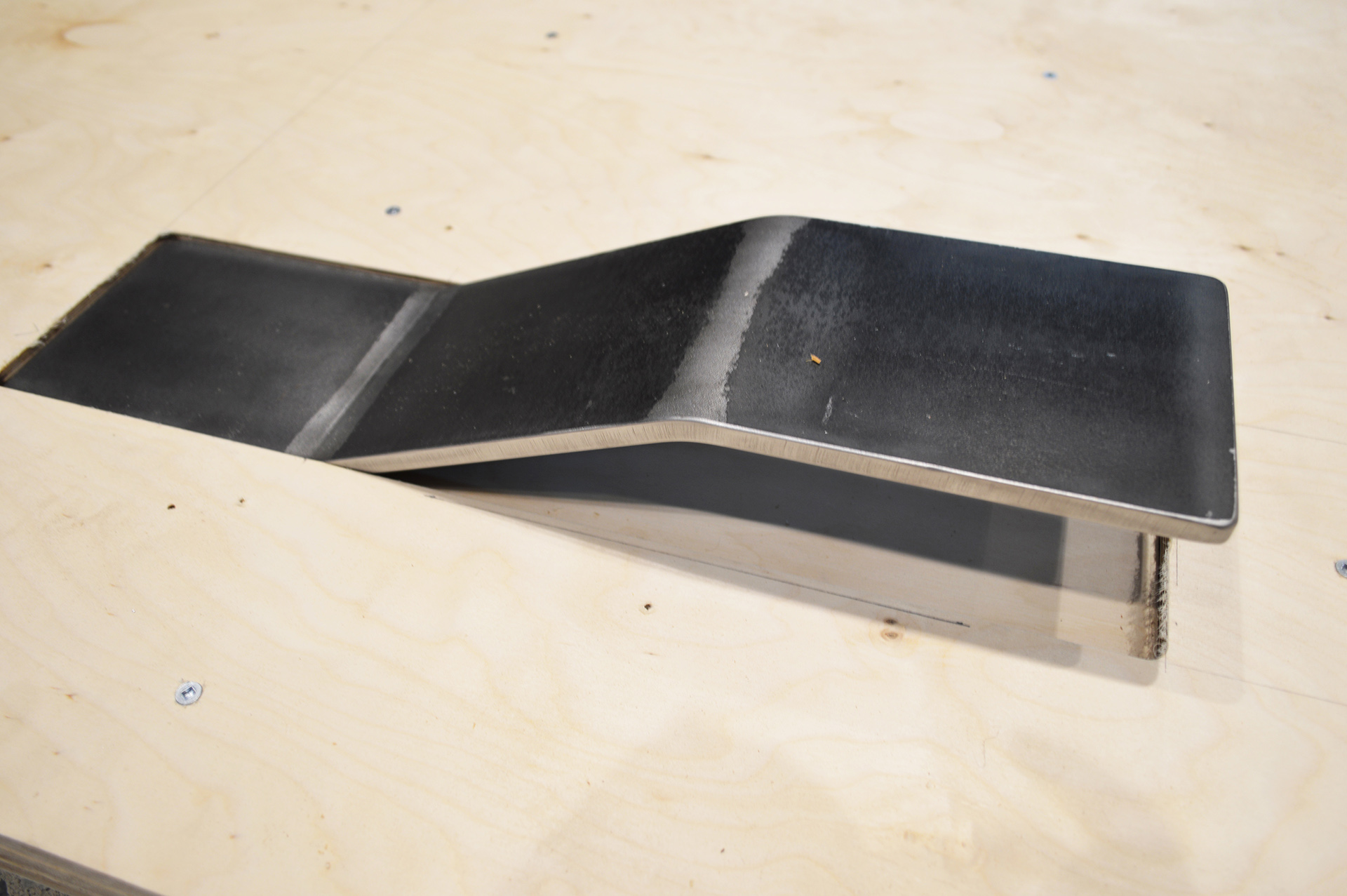
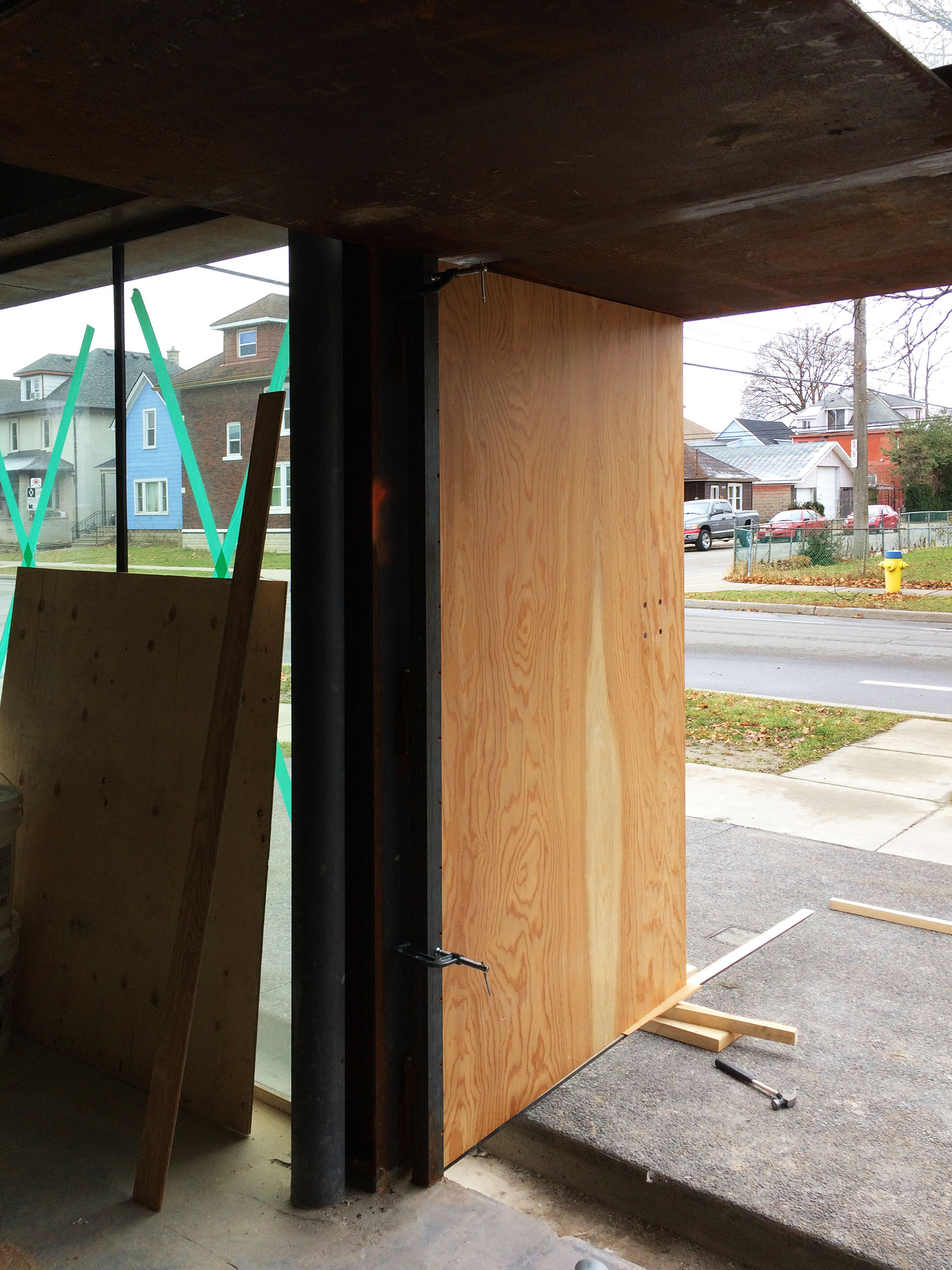
When the owner struggled to find a contractor willing to fabricate the main entrance door with its customized detailing, the principal architect collaborated with a thesis student to design and construct the piece—ensuring this key element was completed with care and attention to the project’s overall material language.
While full interior design control of the ground floor was relinquished due to shifting lease agreements, the exterior restoration and overall building strategy reflect a careful balance of preservation, adaptation, and contemporary intervention.