

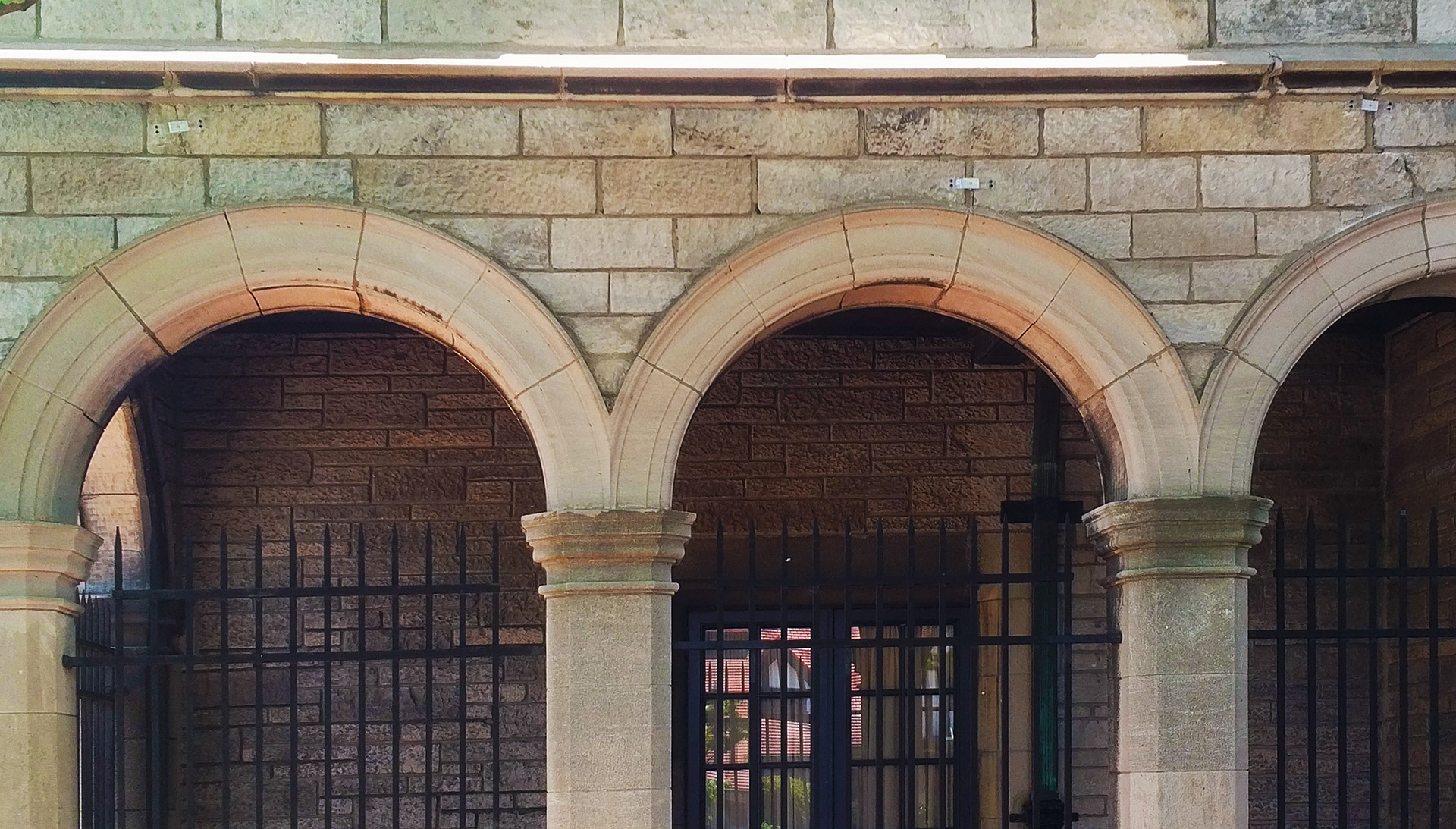
willistead manor
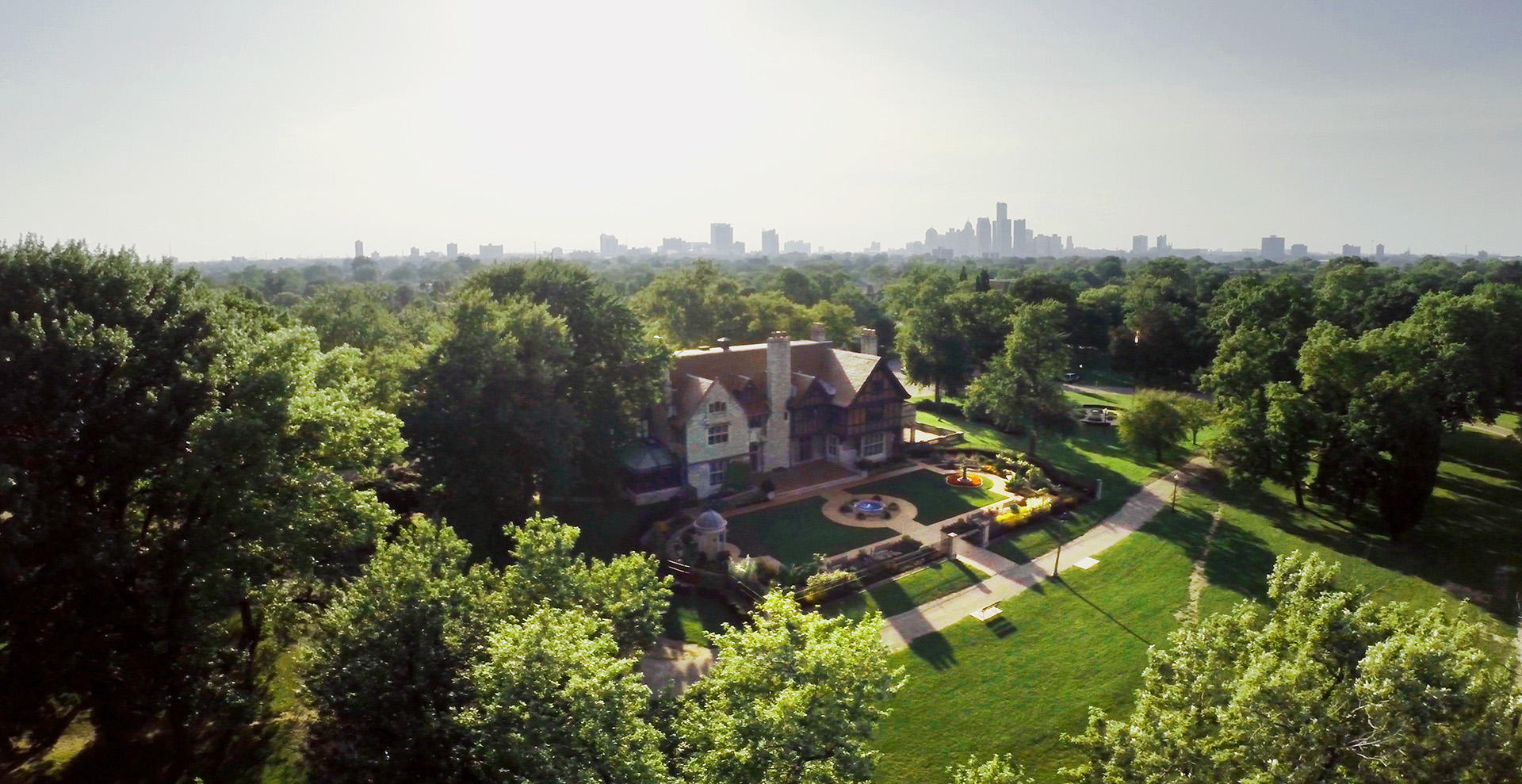
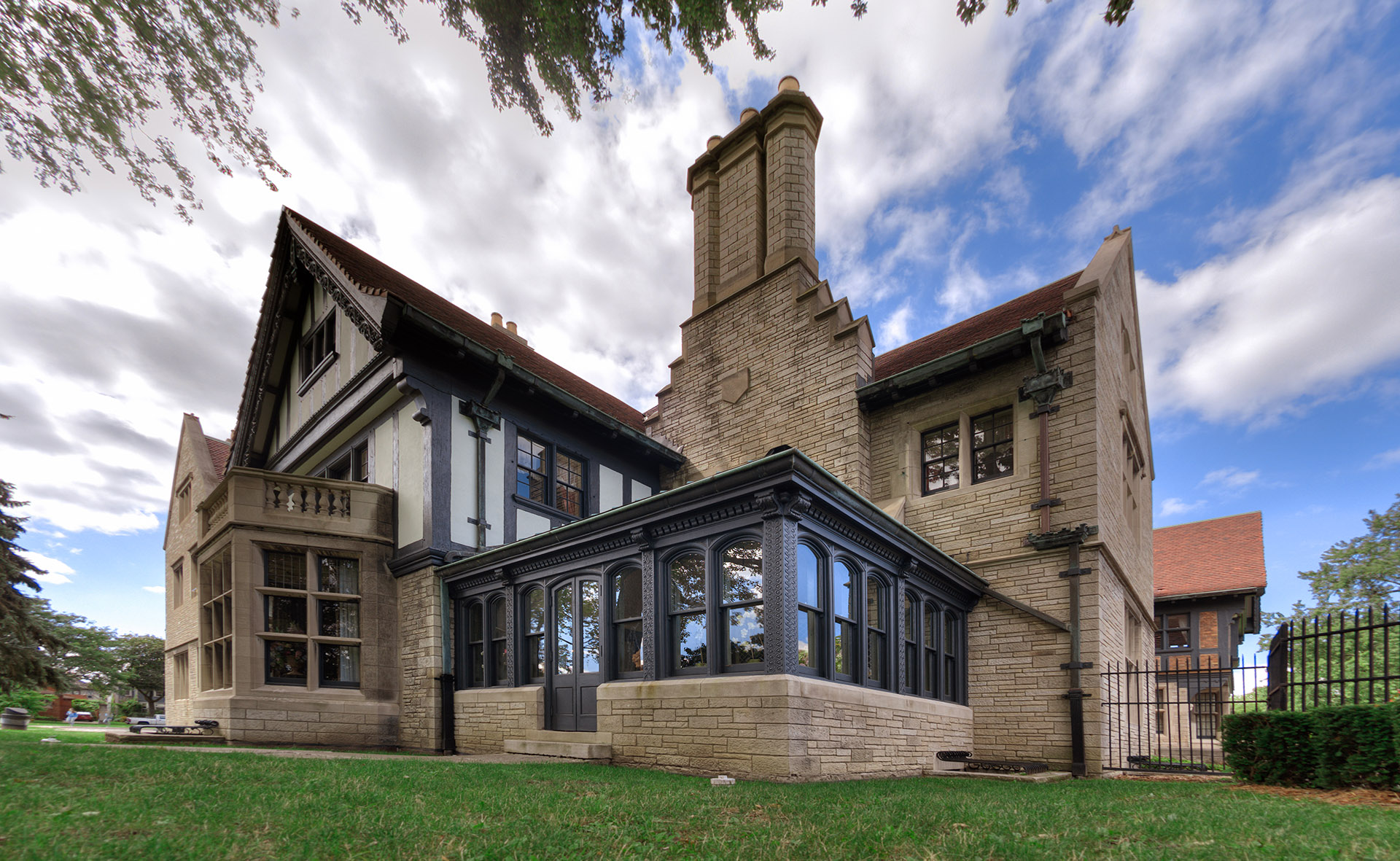
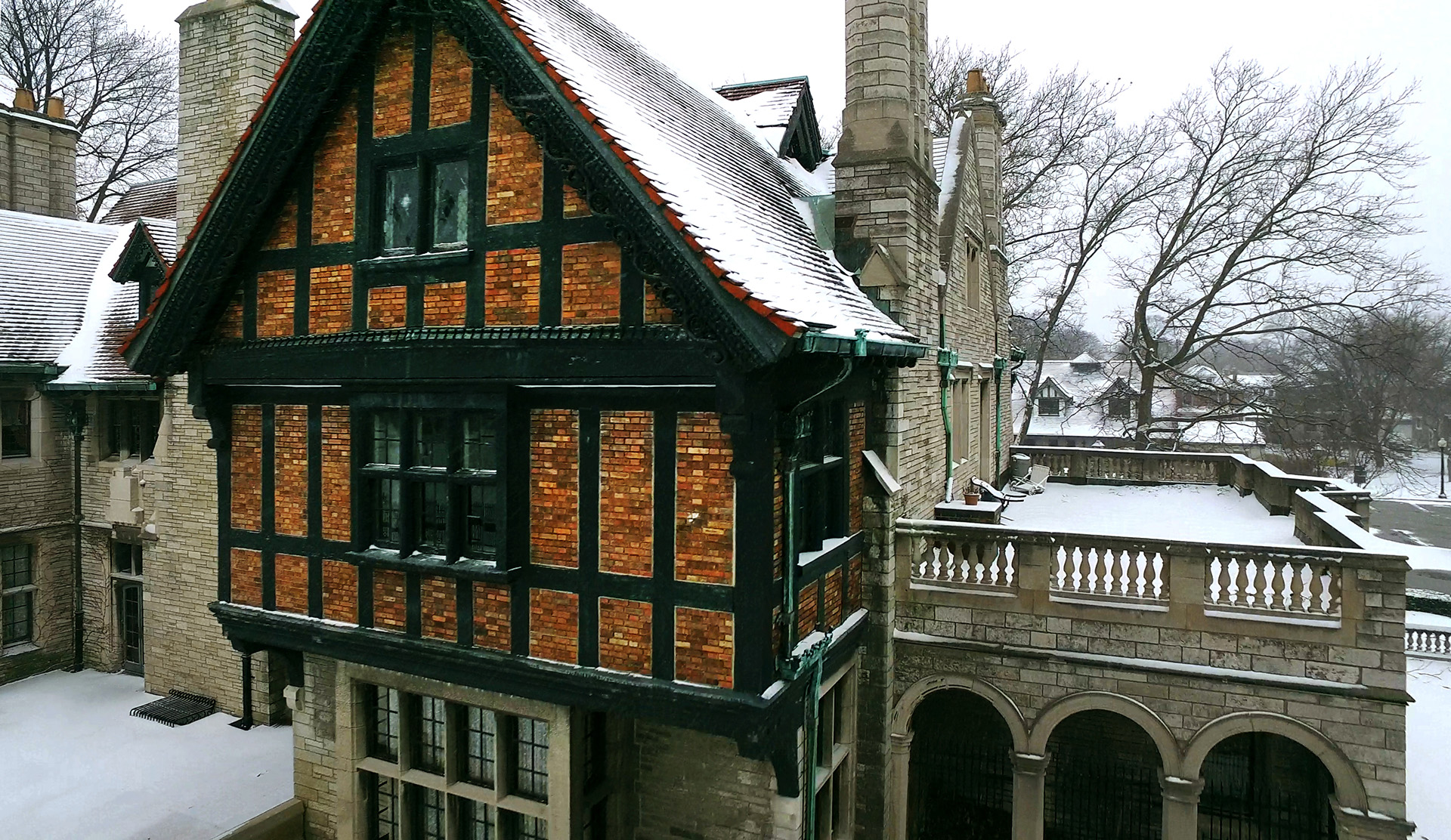
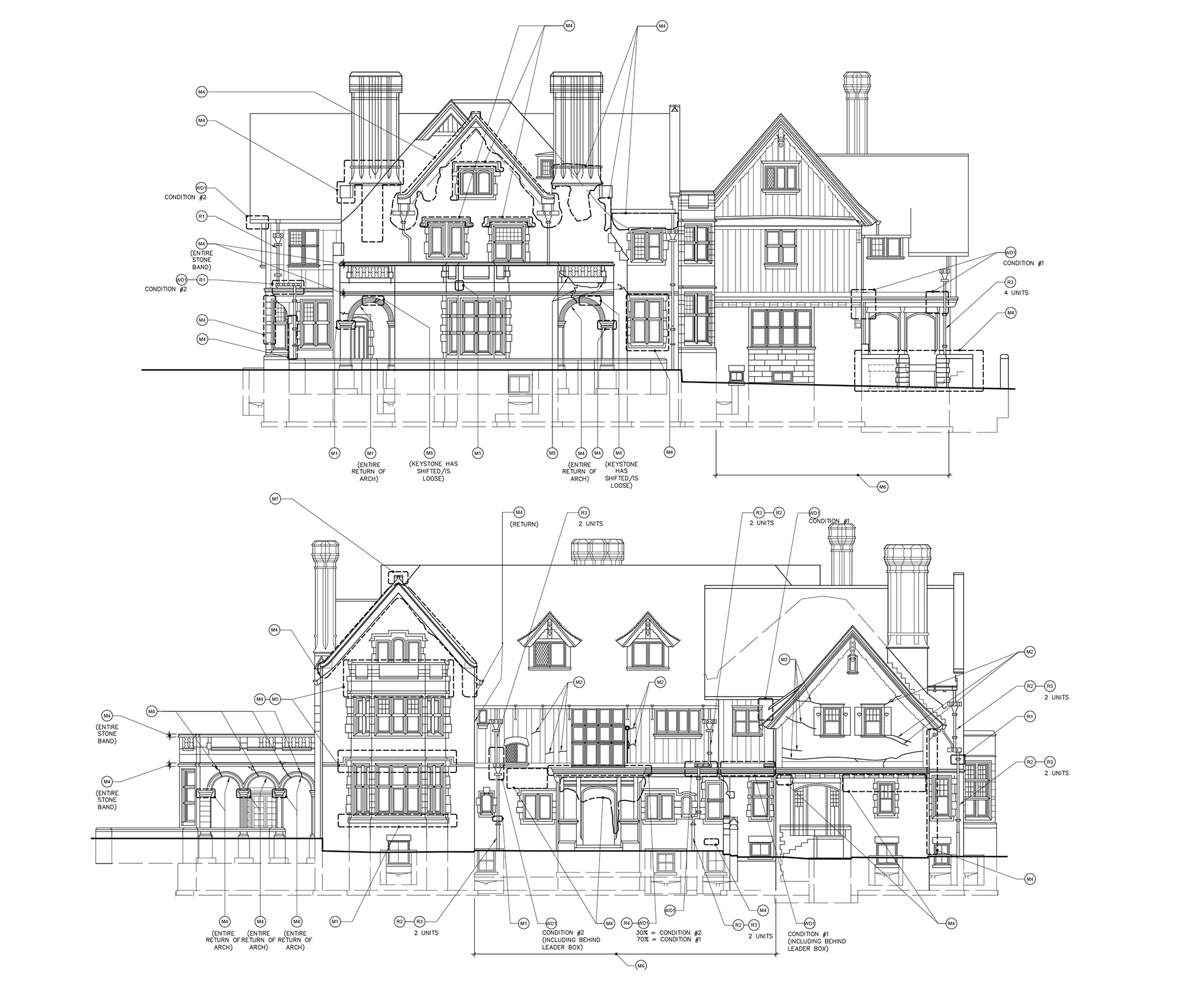
With support from a Canada 150 Grant, the City of Windsor engaged the integrated conservation team of studio g+G and GBCA Architects to undertake a comprehensive restoration of the three historic structures on Willistead Manor—all originally designed by Albert Kahn in 1904.
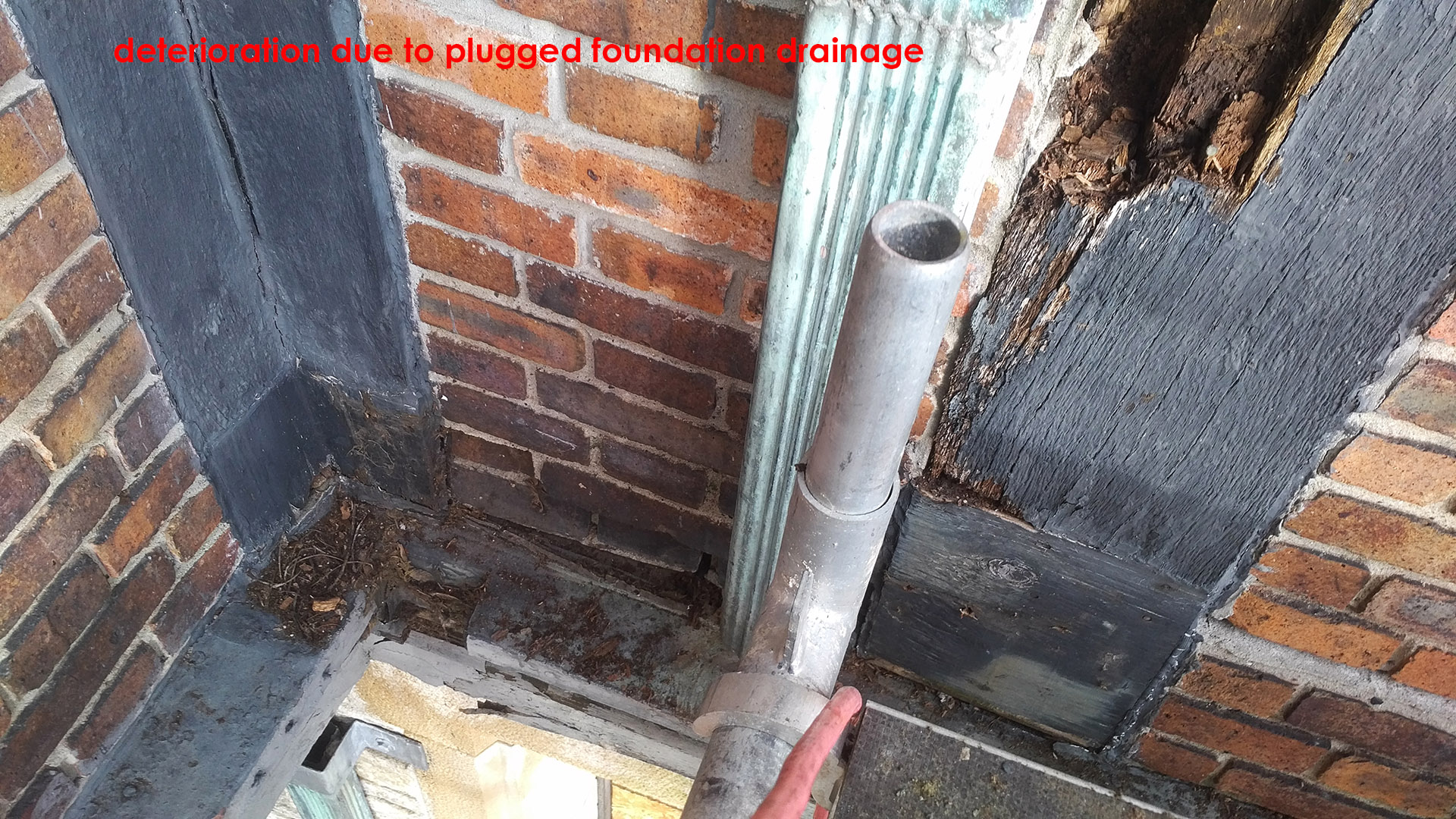
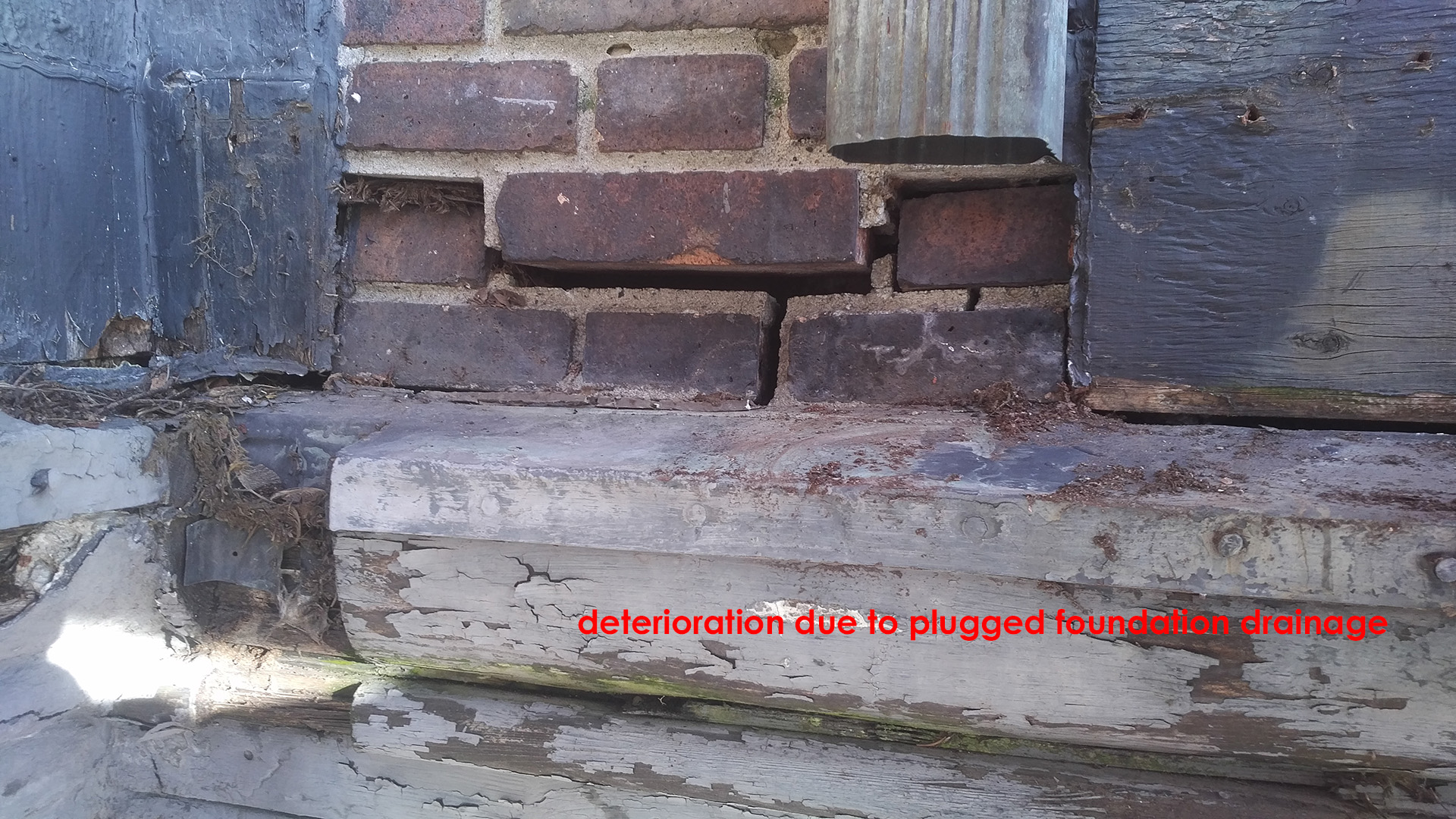
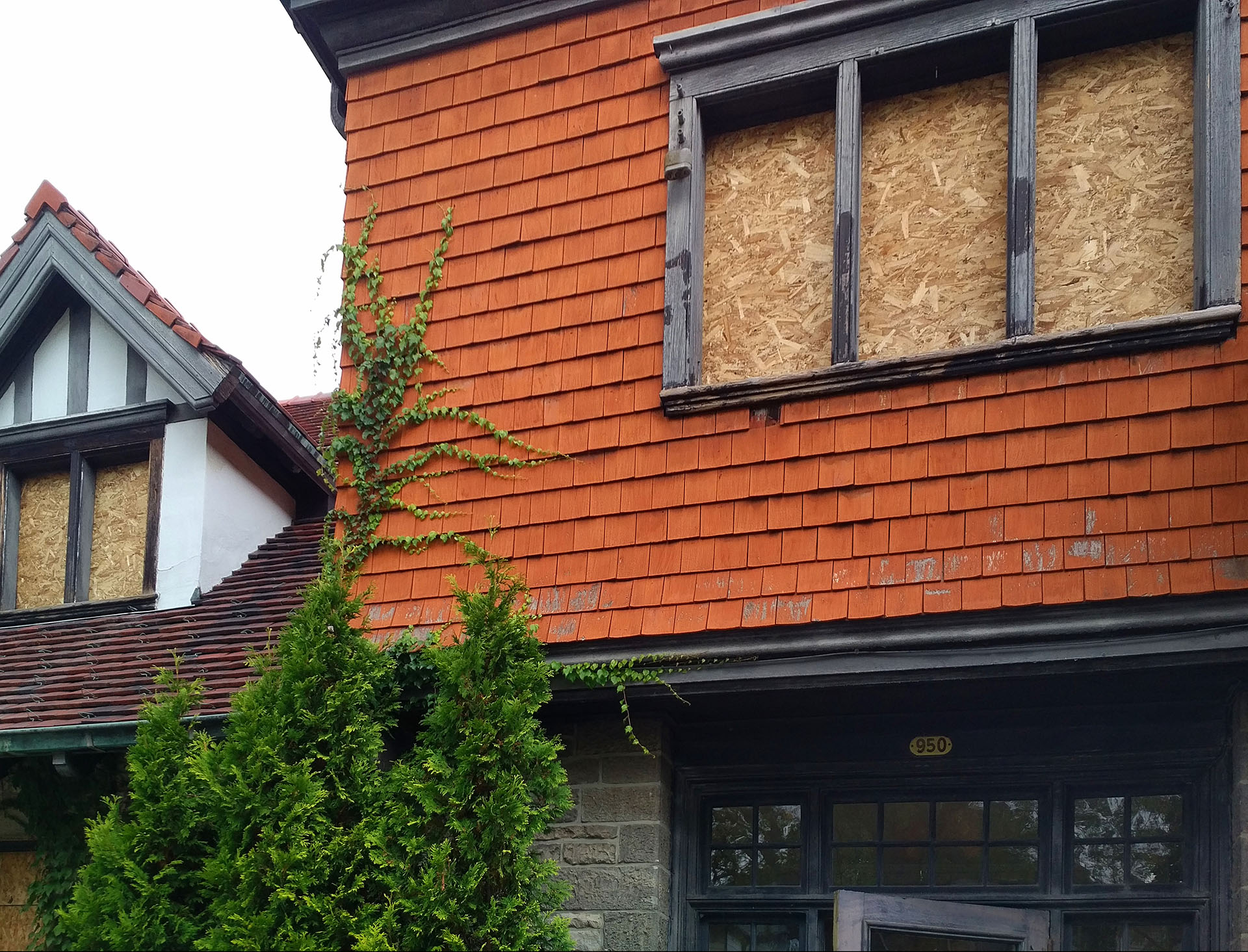
The initial mandate focused on restoring the exterior façades. However, through detailed forensic testing, material analysis, and condition assessments, our team identified a more critical underlying issue: failing foundation drainage systems were the primary cause of façade deterioration.
We presented our findings to the City, advocating for investment in drainage remediation before allocating funds to façade repairs. Historical records and on-site investigations confirmed that previous restoration efforts had overlooked the foundations as a major source of water infiltration and damage.
Following our recommendation, the City approved the revised approach, allowing us to develop a comprehensive restoration plan that addressed both the structural causes and visible symptoms of deterioration.
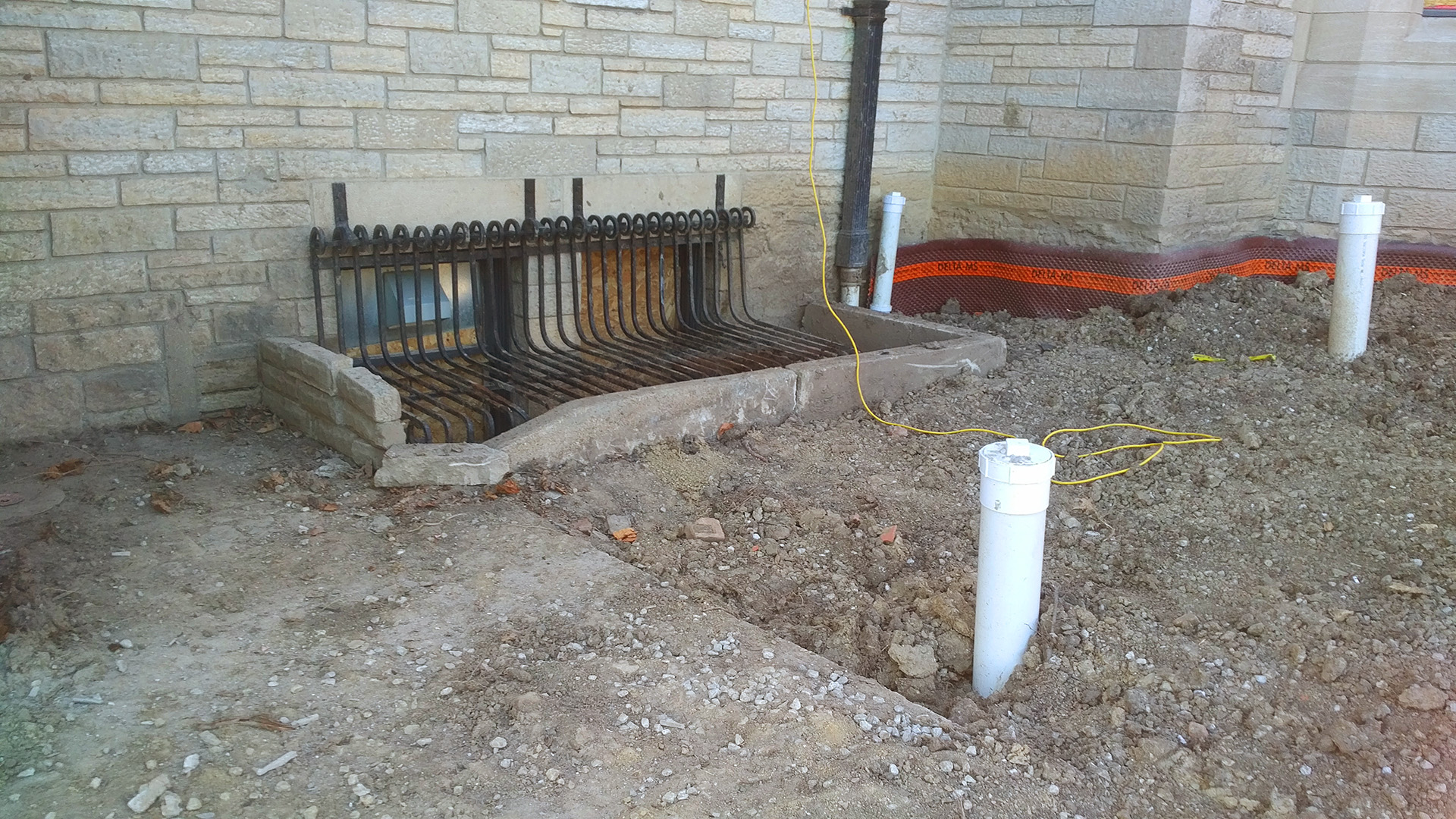
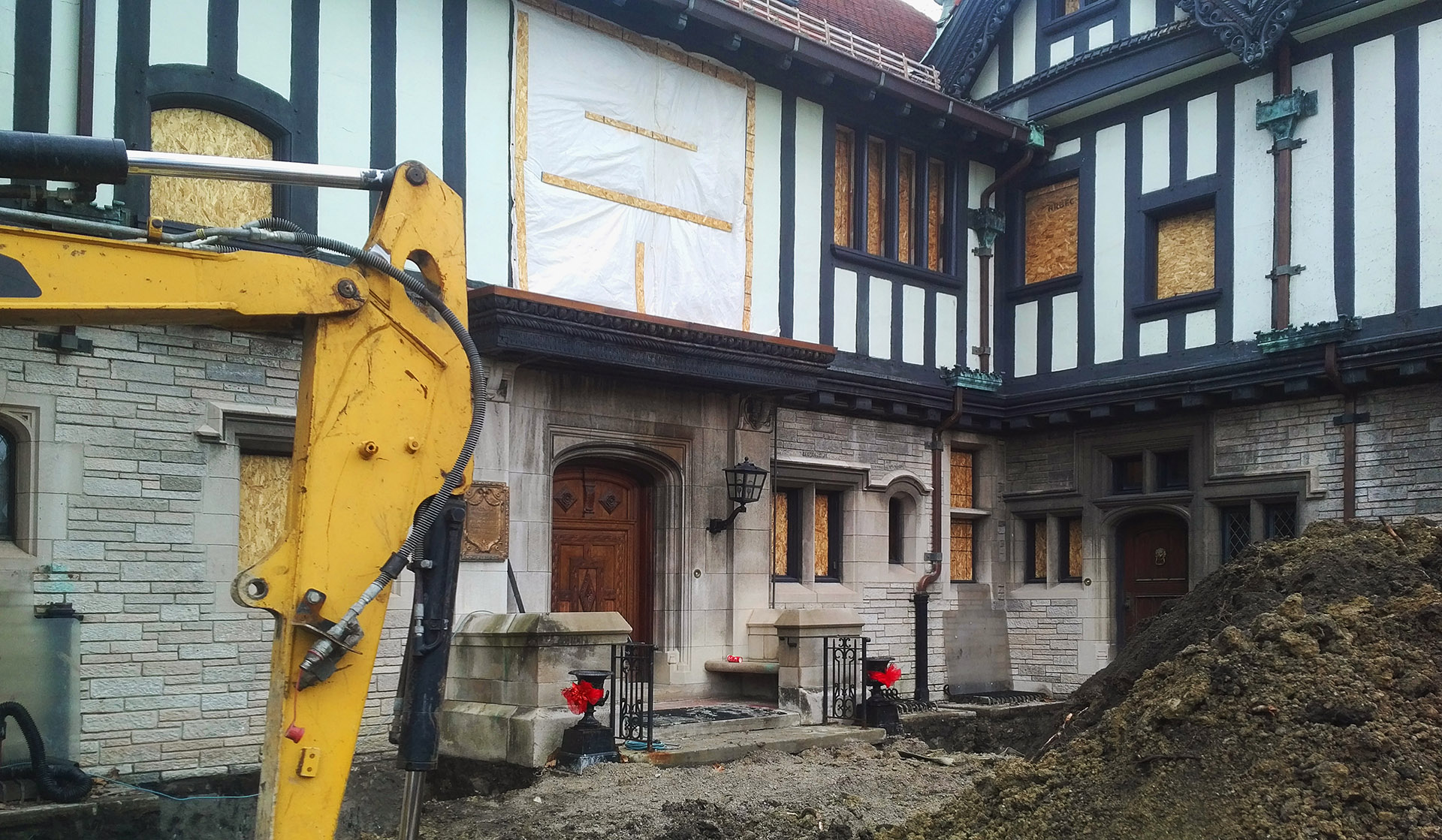
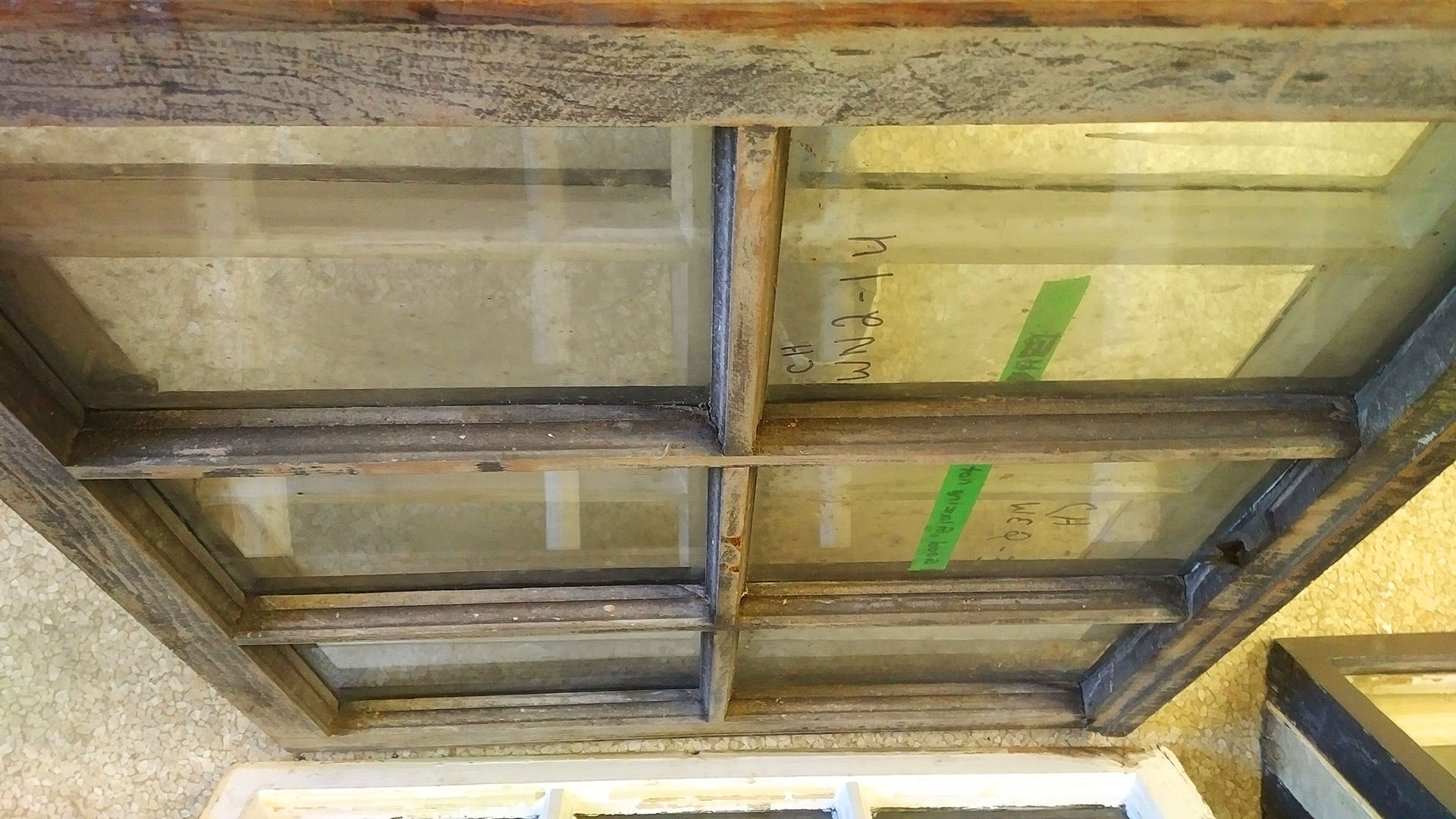
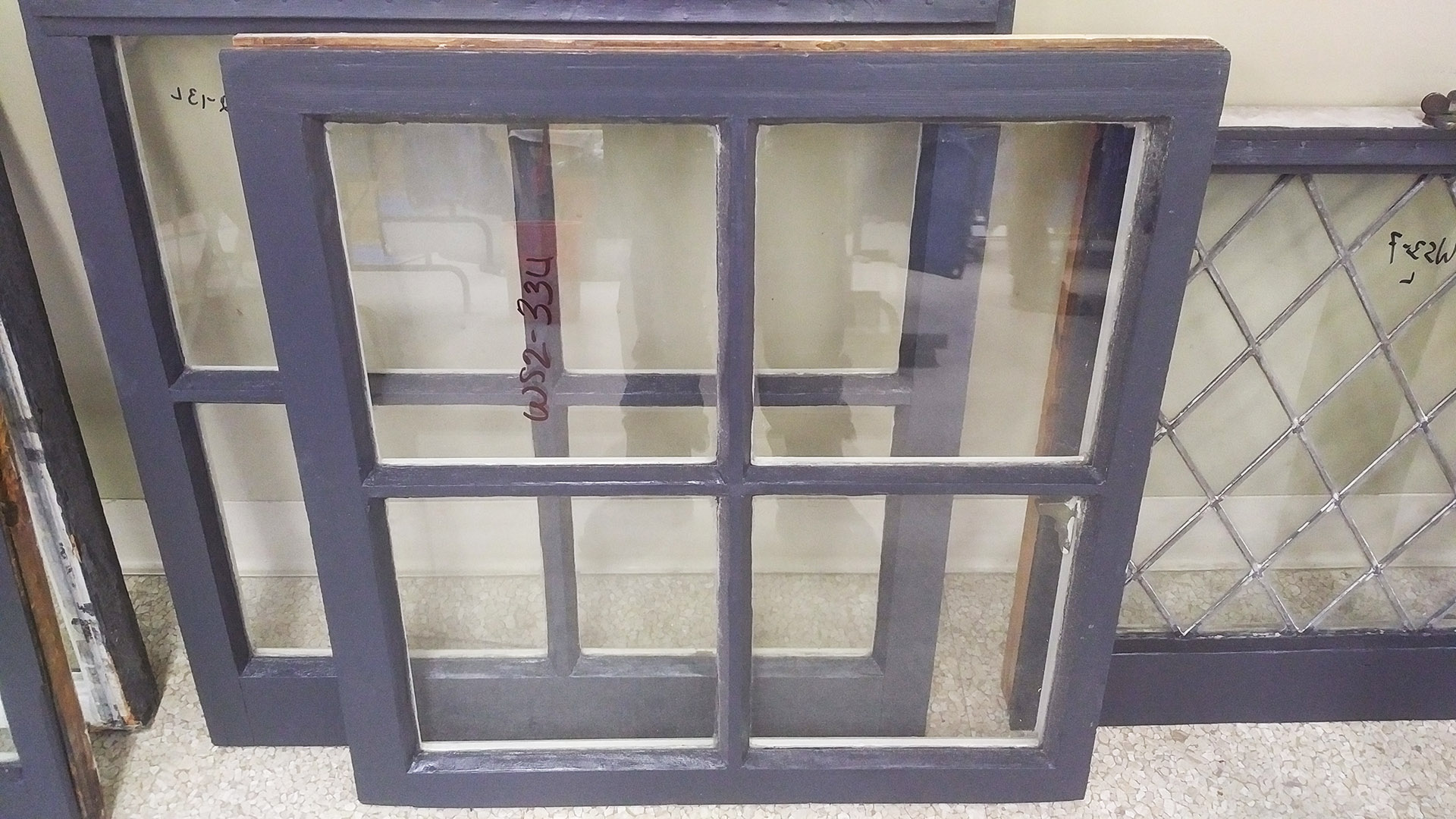
The restoration work included the complete replacement of foundation drainage systems—carefully executed to avoid disturbing the site’s historic trees. Additional conservation efforts included lime-putty stucco repairs and Dispersed Hydrate Lime (DHL) injection, selective brick repointing, and the full restoration of every window across all three buildings. Dynamic geotechnical movement was also discovered on the north portion of the Manor building and monitors were installed for ongoing review.
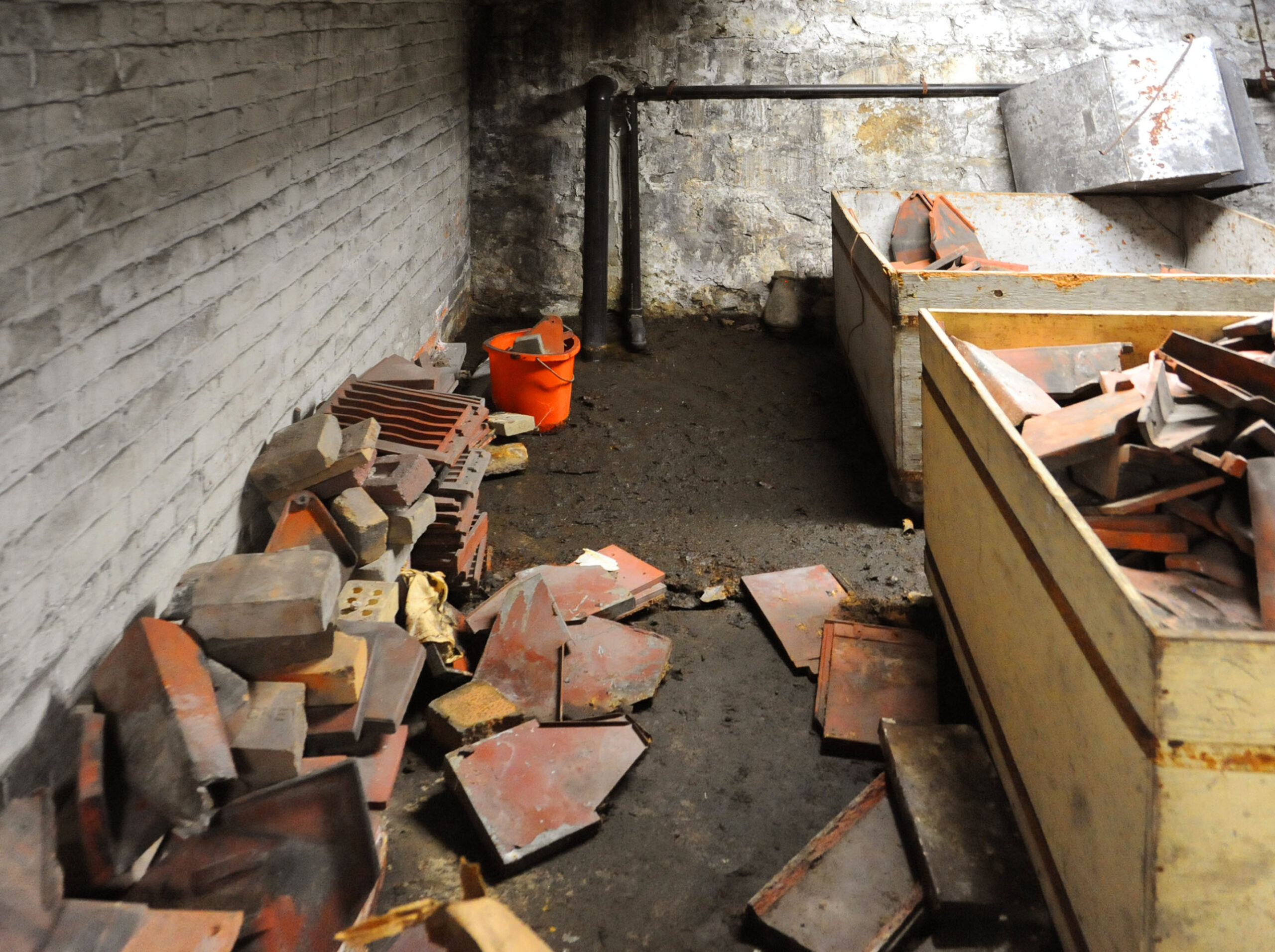
In areas where the roofing membrane beneath the terra cotta tiles had failed, we carried out targeted replacements using original tiles that had been preserved in the basement. Architectural copper collector boxes and other components were also replicated and replaced to match the originals.
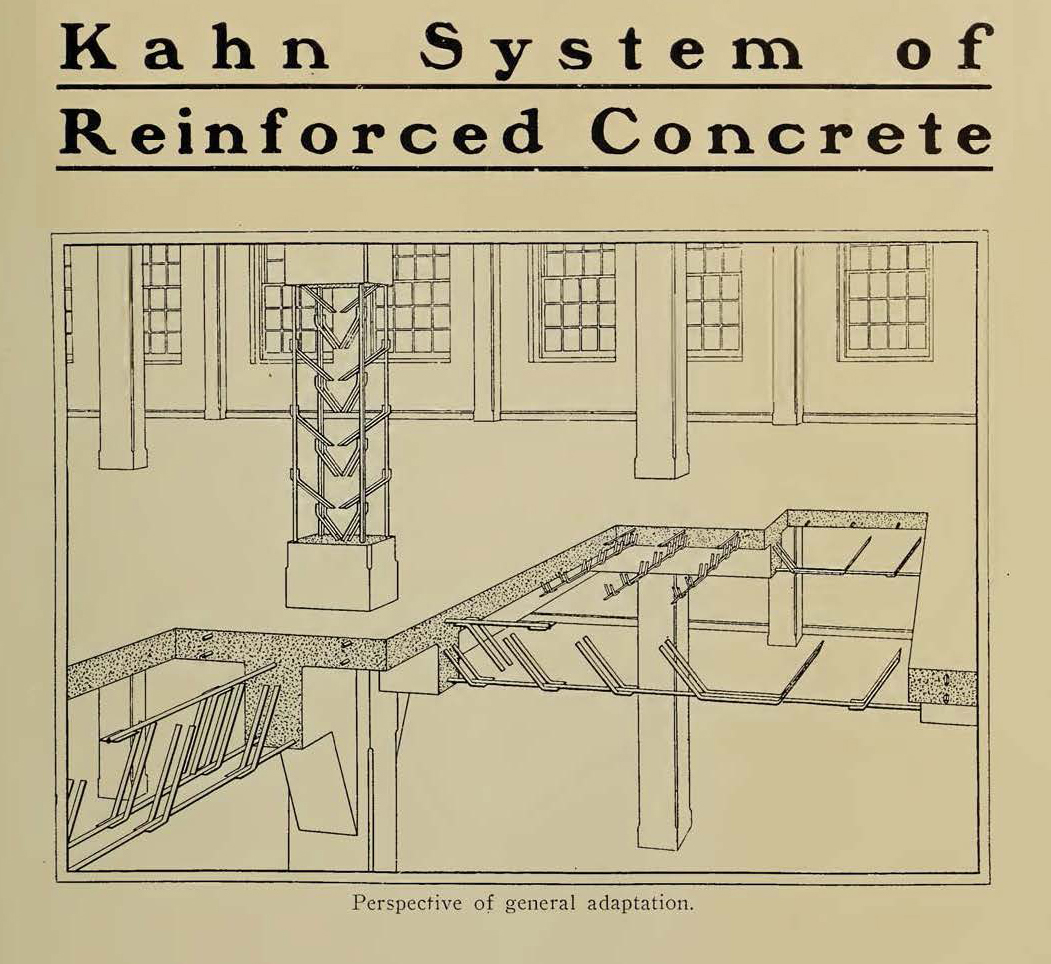
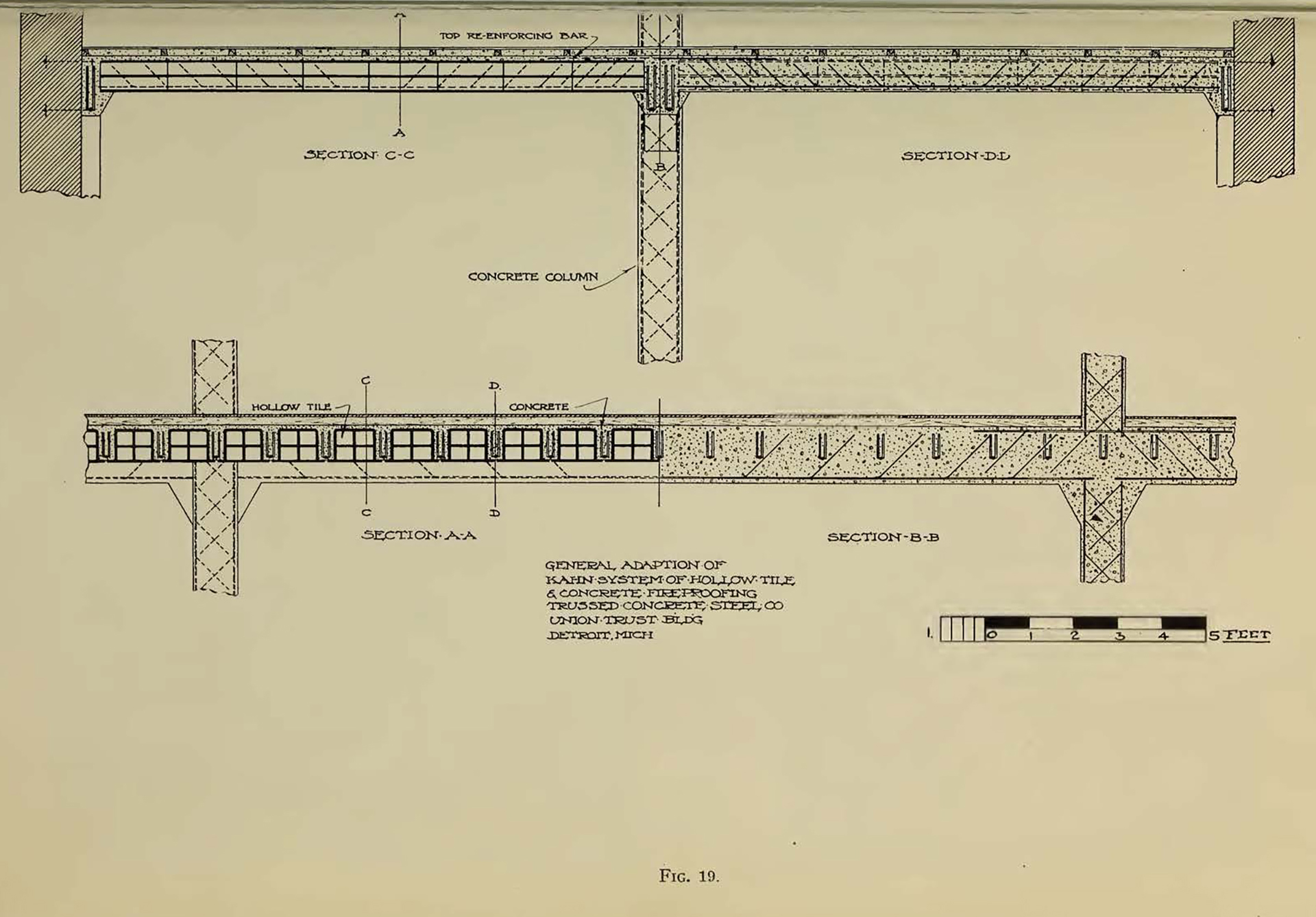
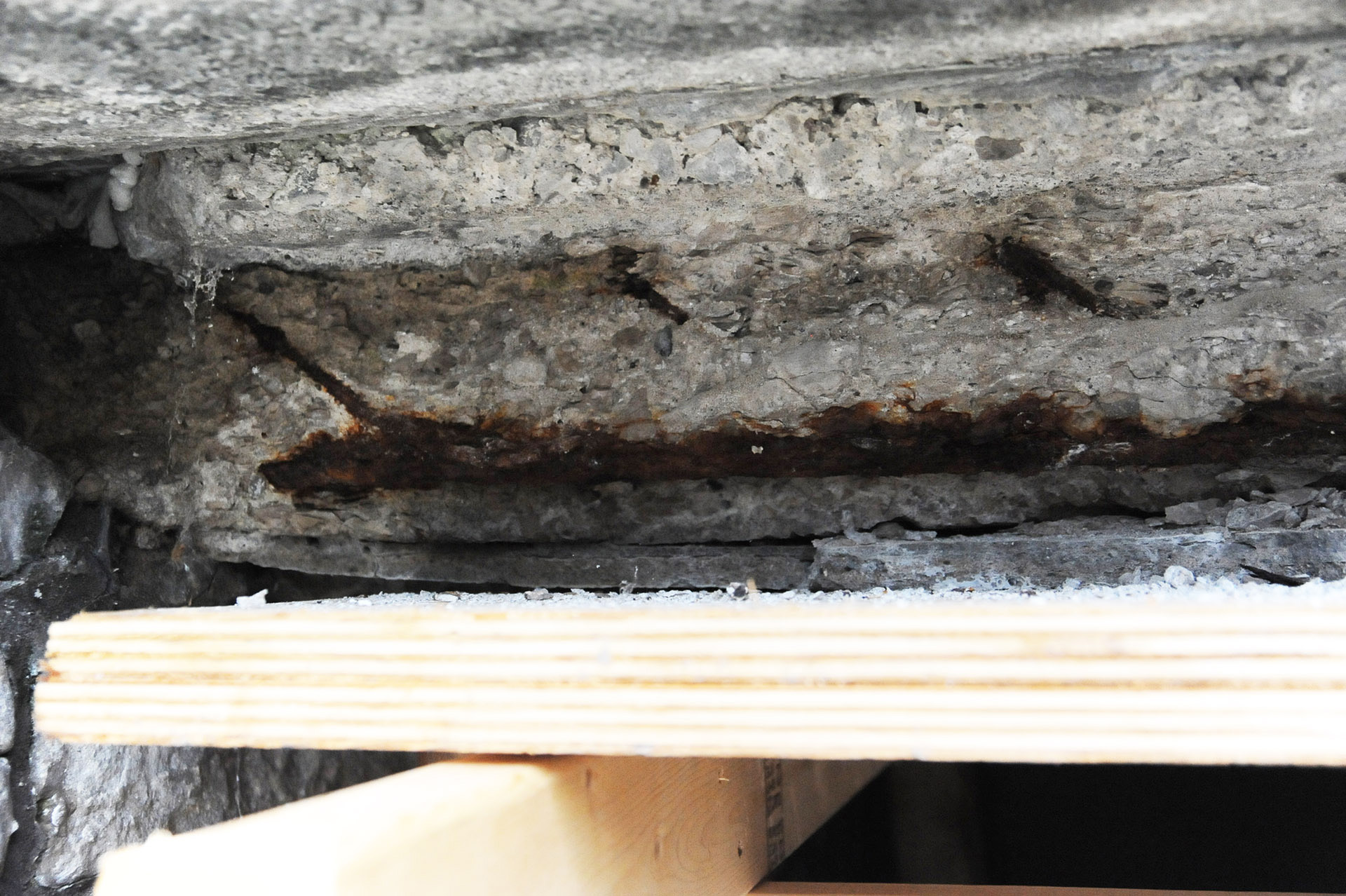
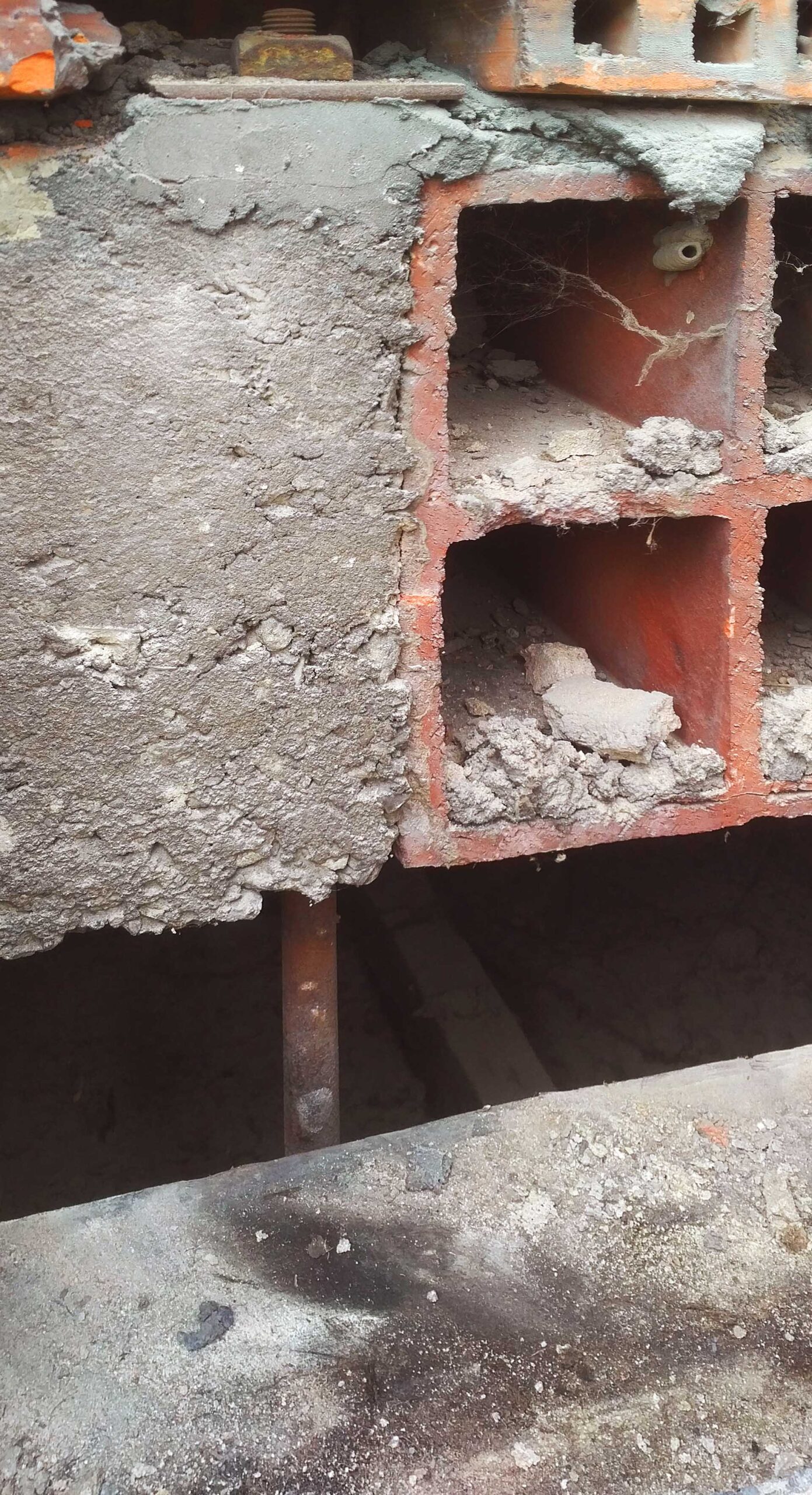
While the building’s architectural expression was conservative for its time—especially in contrast to European modernist developments—our investigation revealed that its structure was remarkably progressive. Willistead Manor was among the earliest known applications of the Kahn System of Reinforced Concrete, a groundbreaking innovation developed by Albert Kahn’s brother, engineer Julius Kahn, and patented several years later.
This system marked a radical advancement in reinforced concrete technology, building upon and systematizing aspects of the Hennebique method. The “Kahn Truss Bar” unified longitudinal and shear reinforcement and introduced more efficient techniques for forming ribbed horizontal slabs—pushing structural innovation well ahead of its time, even if concealed by the building’s traditional façade.